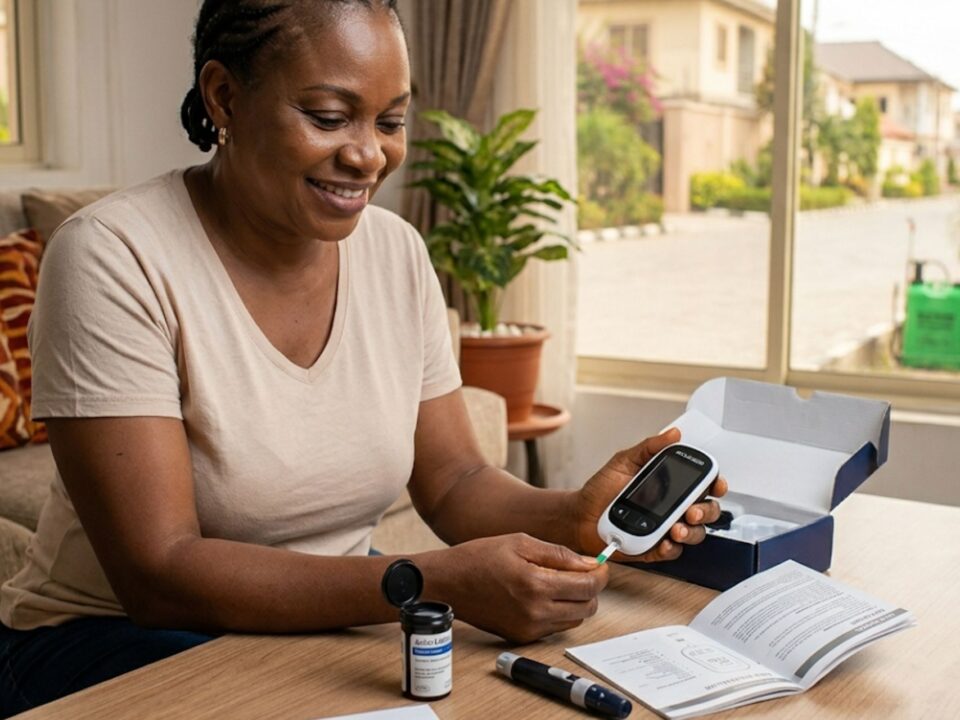

How to Choose the Best Glucometer for Home Blood Sugar Monitoring
May 22, 2026
How to Choose the Best Commode Chair for Elderly Parents: A Complete Buying Guide
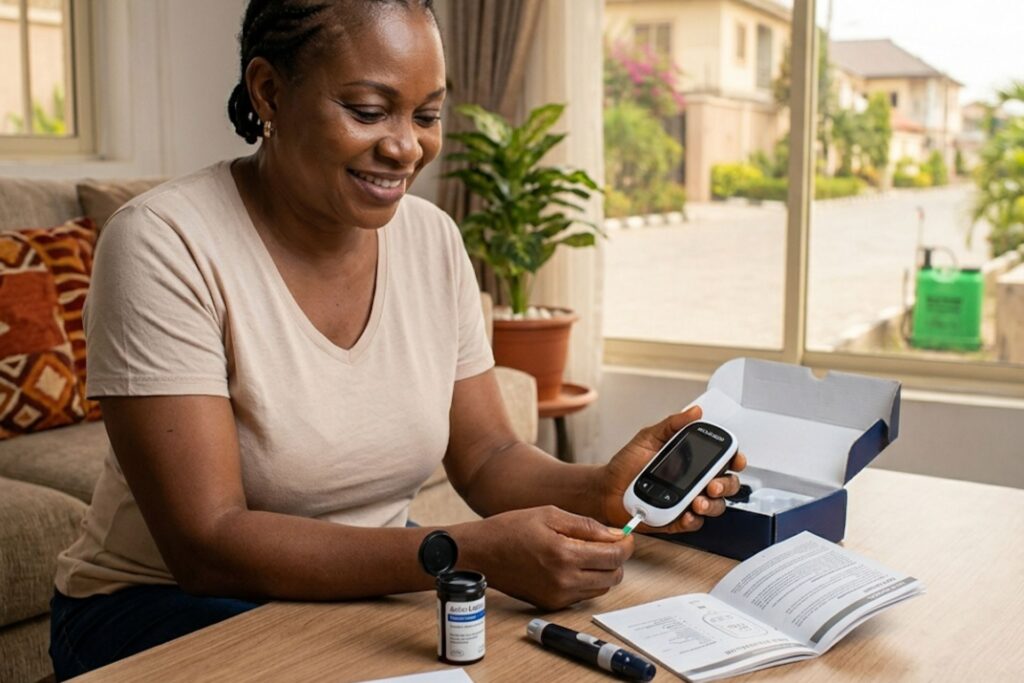
July 13, 2026Accurate Blood Sugar Testing: Tips for Using a Glucometer Correctly
Managing blood sugar levels is very important for people living with diabetes or those monitoring their health. A glucometer is a simple device that helps measure blood glucose levels at home or anywhere. However, inaccurate readings can lead to poor health decisions, which is why learning how to use glucometer accurately is essential for every user.
At Cleaneat, we focus on supporting healthier lifestyles through practical health and wellness information. In this guide, we will explain how a glucometer works, common mistakes to avoid, and the best tips for accurate blood sugar testing.
What Is a Glucometer?
A glucometer (also called a blood glucose meter) is a small medical device used to measure the amount of sugar (glucose) in the blood. It is commonly used by people with diabetes to monitor their condition regularly.
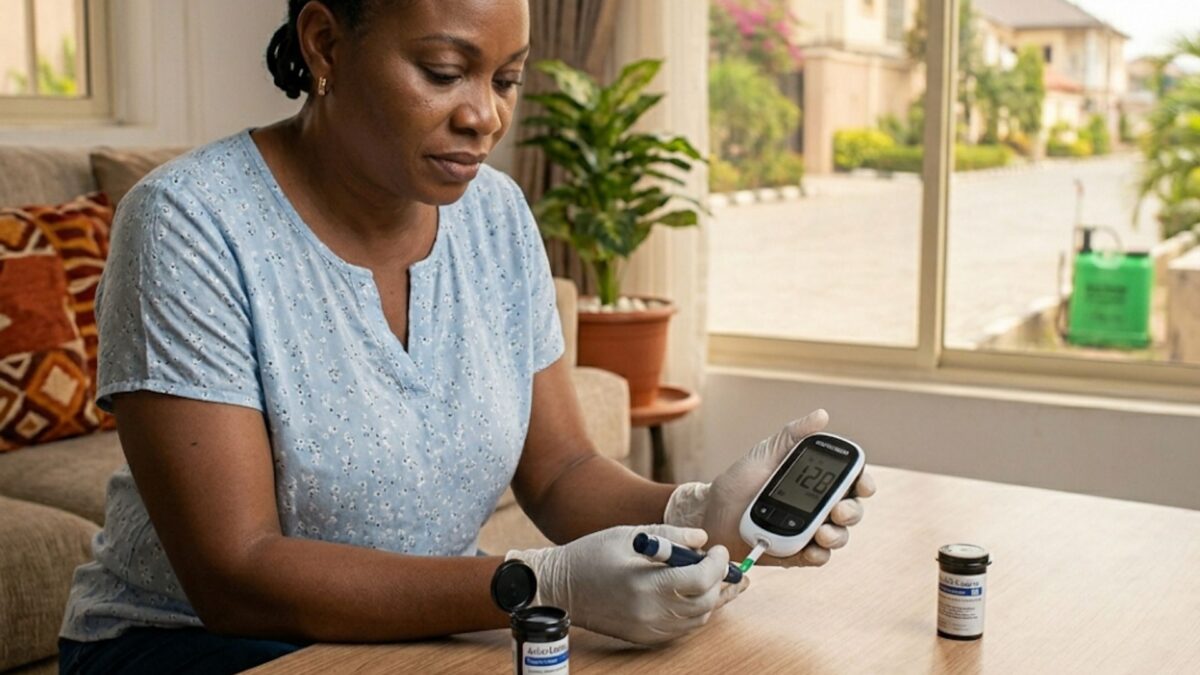
A typical glucometer includes:
- The meter device
- Test strips
- Lancet (needle for pricking finger)
- Lancing device
It gives quick results within seconds, helping users make informed health decisions.
Why Blood Sugar Monitoring Is Important
Monitoring blood sugar levels helps prevent complications such as:
- Hypoglycemia (low blood sugar)
- Hyperglycemia (high blood sugar)
- Fatigue and dizziness
- Long-term diabetes complications
Regular testing helps patients manage diet, medication, and lifestyle effectively.
How a Glucometer Works
A glucometer measures glucose from a small drop of blood, usually from the fingertip. The blood is placed on a test strip inserted into the device. The meter then analyzes the sample and displays the reading within seconds.
The process is simple but must be done correctly to ensure accuracy.
Common Causes of Inaccurate Readings
Many users experience incorrect readings due to small mistakes such as:
- Using expired test strips
- Not washing hands before testing
- Squeezing the finger too hard
- Improper storage of strips
- Using insufficient blood sample
- Dirty glucometer device
These errors can affect treatment decisions.
How to Prepare Before Testing
Proper preparation is the first step to accuracy.
Wash Your Hands Properly
Always wash with soap and warm water to remove sugar residue or dirt.
Dry Your Hands Completely
Moisture can dilute blood samples and affect readings.
Check Test Strip Expiry Date
Expired strips may give false results.
Prepare All Equipment
Ensure your glucometer, lancet, and strips are ready before starting.
Step-by-Step Guide to Using a Glucometer
- Insert a test strip into the meter
- Use a lancet to prick the side of your fingertip
- Gently allow a drop of blood to form
- Place the blood on the test strip
- Wait for the reading on the screen
- Record your result if necessary
This simple process should be done carefully for accuracy.
How to Use Glucometer Accurately – Essential Tips for Better Results
Learning how to use glucometer accurately helps improve reliability and health decisions.
Use the Same Testing Time Daily
Blood sugar levels change throughout the day, so consistency is important.
Avoid Testing Immediately After Eating
Wait at least 1–2 hours after meals for stable readings.
Use the Correct Finger Technique
Prick the side of the fingertip instead of the center for less pain and better flow.
Ensure Enough Blood Sample
Too little blood may lead to error messages.
Keep Your Device Clean
Wipe the meter regularly to prevent contamination.
How to Use Glucometer Accurately – Avoid These Common Mistakes
To fully understand how to use glucometer accurately, it is important to avoid these errors.
Reusing Test Strips
Each strip is single-use only.
Ignoring Calibration Instructions
Some devices require calibration with control solutions.
Using Cold Hands
Poor circulation may affect blood flow.
Pressing the Finger Too Hard
This may dilute the sample with tissue fluid.
Not Storing Strips Properly
Heat and moisture can damage test strips.
Best Practices for Accurate Blood Sugar Monitoring
Test at Consistent Times
Morning fasting tests are often most reliable.
Record Your Results
Tracking helps identify patterns in blood sugar levels.
Follow Medical Advice
Always interpret results with your healthcare provider.
Replace Batteries When Needed
Low battery levels may affect device performance.
Check Device Accuracy Periodically
Use control solutions if recommended.
When to Test Your Blood Sugar
Depending on medical advice, testing may be required:
- Before meals
- After meals
- Before bedtime
- After physical activity
- During illness
Each timing provides different insights into blood sugar behavior.
Importance of Proper Storage
Store Test Strips Correctly
Keep them in a dry, cool place.
Avoid Direct Sunlight
Heat can damage both strips and device.
Keep Equipment Clean and Dry
Moisture may affect performance.
Benefits of Accurate Blood Sugar Testing
When done correctly, glucometer testing helps:
- Improve diabetes control
- Prevent complications
- Guide medication adjustments
- Support healthy lifestyle choices
- Reduce emergency risks
Accuracy ensures better health management.
Who Should Use a Glucometer?
- People with diabetes
- Individuals with prediabetes
- Pregnant women (gestational diabetes monitoring)
- People with family history of diabetes
- Patients under glucose monitoring plans
Conclusion
A glucometer is a powerful tool for managing blood sugar levels, but only when used correctly. Small mistakes can lead to inaccurate readings and poor health decisions.
By following proper steps, avoiding common errors, and practicing consistency, users can achieve reliable results and better health outcomes.
Understanding how to use glucometer accurately is essential for anyone monitoring blood glucose levels at home. With the right habits and care, blood sugar testing becomes simple, reliable, and effective.
At Cleaneat, we are committed to helping individuals make informed health decisions through clear and practical guidance.