

Hot and Cold Water Dispenser: Upgrade for Every Home and Office
May 18, 2026Why Has Ebola Returned Again? Causes Everyone Should Know
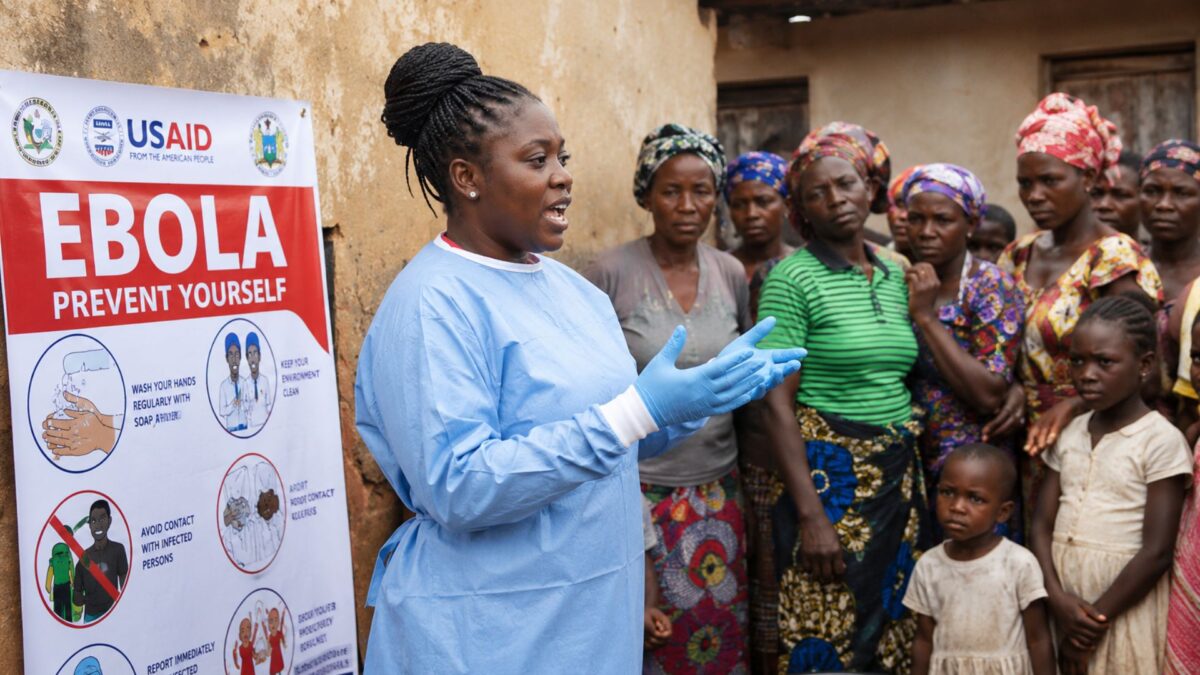
In recent years, concerns about Ebola have resurfaced in several parts of Africa, causing fear and raising important questions among the public. Many people are asking why the disease keeps reappearing despite advances in healthcare and disease surveillance. Understanding the Ebola outbreak causes in Nigeria and across Africa is crucial for protecting communities, improving public awareness, and preventing future outbreaks.
At Cleaneat, we believe that public health education plays a critical role in disease prevention. As a company committed to promoting hygiene, sanitation, and environmental safety, we understand the importance of informing people about infectious diseases and the preventive measures that can help reduce their spread.
This article explores why Ebola continues to return, the factors contributing to outbreaks, and the practical steps individuals, businesses, and communities can take to stay safe.
What Is Ebola?
Ebola Virus Disease (EVD) is a severe and often fatal illness caused by viruses belonging to the Ebola virus family. The disease was first identified in 1976 near the Ebola River in what is now the Democratic Republic of the Congo.
Ebola affects humans and certain animal species. It spreads through direct contact with infected bodily fluids and contaminated surfaces. Symptoms often begin suddenly and can include:
- Fever
- Severe headache
- Muscle pain
- Fatigue
- Sore throat
- Vomiting
- Diarrhea
- Stomach pain
- Internal and external bleeding in severe cases
Although medical advancements have improved survival rates, Ebola remains one of the world’s most dangerous infectious diseases.
Why Does Ebola Keep Returning?
Many people assume that once an outbreak ends, the virus disappears permanently. Unfortunately, this is not always the case. Several environmental, social, and public health factors contribute to the re-emergence of Ebola outbreaks.
To understand why Ebola returns, it is important to examine the key drivers behind outbreaks.
Human Interaction with Wildlife
One of the primary reasons Ebola continues to reappear is increased contact between humans and wildlife.
Scientists believe fruit bats are natural carriers of the Ebola virus. Humans can become exposed when they come into contact with infected animals such as:
- Fruit bats
- Monkeys
- Chimpanzees
- Gorillas
- Forest antelopes
Activities that increase human-wildlife interaction include:
- Hunting
- Bushmeat consumption
- Deforestation
- Agricultural expansion
- Mining activities
As people move deeper into forested regions, the chances of encountering infected animals increase significantly.
Environmental Changes and Deforestation
Environmental disruption plays a major role in disease transmission.
Rapid urbanization and deforestation alter natural ecosystems and force wildlife into closer contact with human populations.
When forests are cleared for farming, housing, or industrial development, animal habitats are destroyed. This increases the likelihood of disease transmission from animals to humans.
Many experts believe environmental changes are among the most important factors contributing to recurring Ebola outbreaks across Africa.
Population Growth and Urban Expansion
Growing populations create additional challenges.
As cities expand into previously untouched areas, more people come into contact with wildlife reservoirs that may carry dangerous viruses.
Population growth also increases:
- Housing density
- Human mobility
- Demand for natural resources
These factors can accelerate disease transmission when outbreaks occur.
Weak Healthcare Infrastructure
One of the major Ebola outbreak causes in Nigeria and other African countries is the challenge of maintaining strong healthcare systems.
While Nigeria successfully contained its major Ebola outbreak in 2014, many regions across Africa still face healthcare limitations.
Challenges may include:
- Limited disease surveillance
- Shortages of healthcare workers
- Inadequate medical equipment
- Delayed diagnosis
- Poor infection control practices
When cases are not identified quickly, the virus can spread before containment measures are implemented.
Delayed Detection and Reporting
Early detection is critical for preventing widespread transmission.
Unfortunately, Ebola symptoms often resemble those of other illnesses such as:
- Malaria
- Typhoid fever
- Lassa fever
- Influenza
This similarity can delay diagnosis and treatment.
If infected individuals are not isolated promptly, the virus may spread to family members, healthcare workers, and community members.
Timely reporting and laboratory testing remain essential for outbreak control.
How Human Movement Contributes to Ebola Spread
Modern transportation allows people to travel between cities and countries more easily than ever before. While mobility supports economic growth, it can also facilitate disease transmission. Individuals infected with Ebola may travel before symptoms become severe, potentially introducing the virus into new communities.
This highlights the importance of:
- Border screening
- Public health monitoring
- Contact tracing
- Community awareness
The successful containment of Ebola often depends on rapid identification of exposed individuals. Certain traditional practices may unintentionally contribute to Ebola transmission. Practices such as;
Traditional Burial Practices
Ebola remains highly infectious after death. Traditional funeral practices involving direct contact with the deceased can increase transmission risks during outbreaks. Public health authorities often work closely with community leaders to promote safe burial procedures while respecting cultural traditions. Education and cooperation are essential for balancing public health needs with cultural values.
Misinformation and Public Distrust
Another significant factor behind recurring outbreaks is misinformation.
False information can cause people to:
- Ignore health warnings
- Avoid treatment centers
- Reject medical advice
- Hide symptoms
During outbreaks, accurate information from trusted sources is critical.
Communities that understand how Ebola spreads are better equipped to protect themselves and support containment efforts.
The Role of Hygiene and Sanitation in Ebola Prevention
Good hygiene remains one of the most effective tools for reducing disease transmission. At Cleaneat, we emphasize the importance of maintaining clean environments in homes, schools, workplaces, healthcare facilities, and public spaces.
Recommended hygiene practices include:
- Frequent handwashing
- Surface disinfection
- Proper waste disposal
- Use of approved sanitizers
- Regular environmental cleaning
Maintaining sanitary environments can significantly reduce the risk of spreading infectious diseases.
Ebola Outbreak Causes in Nigeria and the Importance of Public Awareness
Public awareness remains one of the strongest defenses against Ebola. People who understand the disease are more likely to:
- Recognize symptoms early
- Seek medical care promptly
- Follow health guidelines
- Cooperate with public health authorities
Educational campaigns help communities respond effectively during outbreaks and reduce panic. Schools, businesses, religious organizations, and community leaders all play important roles in public health education.
What Businesses Can Do During Ebola Outbreaks
Organizations have an important responsibility to protect employees and customers. Recommended measures include:
Employee Education
Provide staff with accurate information about Ebola transmission and prevention.
Enhanced Cleaning Protocols
Increase cleaning and disinfection of:
- High-touch surfaces
- Shared workspaces
- Restrooms
- Reception areas
Availability of Hygiene Products
Ensure access to:
- Hand sanitizers
- Soap
- Disinfectants
- Protective equipment when necessary
Illness Reporting Procedures
Encourage employees to report symptoms and seek medical attention when required.
Prepared workplaces can help reduce disease transmission and maintain business continuity.
How Cleaneat Supports Public Health and Hygiene
At Cleaneat, our mission extends beyond providing cleaning products and sanitation solutions. We are committed to promoting safer and healthier communities through education, awareness, and access to high-quality hygiene products.
Our solutions help homes, businesses, healthcare facilities, schools, and public institutions maintain hygienic environments that support disease prevention efforts.
Whether through professional cleaning services, sanitization products, disinfectants, pest control solutions, or public awareness initiatives, Cleaneat remains dedicated to helping Nigerians create cleaner and safer environments.
Conclusion
Understanding the Ebola outbreak causes in Nigeria is essential for preventing future outbreaks and protecting public health. Ebola continues to return due to a combination of factors, including increased human interaction with wildlife, environmental changes, population growth, healthcare challenges, delayed detection, and misinformation.
While the threat of Ebola remains real, communities can significantly reduce risks through education, hygiene, sanitation, early reporting, and cooperation with public health authorities.
At Cleaneat, we believe that awareness and prevention are powerful tools in the fight against infectious diseases. By staying informed and maintaining high hygiene standards, individuals and organizations can help create safer communities and reduce the impact of future outbreaks.