
Common Mistakes to Avoid When Using Water Purification Tablets
May 23, 2026
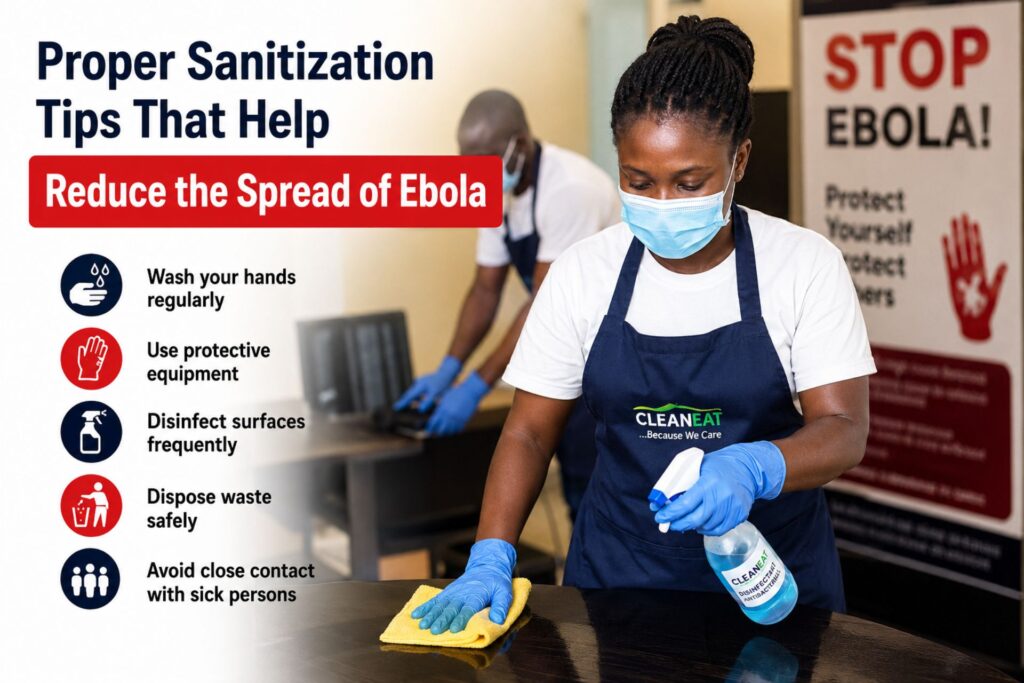
Proper Sanitization Tips That Help Reduce the Spread of Ebola
June 3, 2026Ebola Symptoms Explained: How to Recognize the Warning Signs Before It’s Too Late
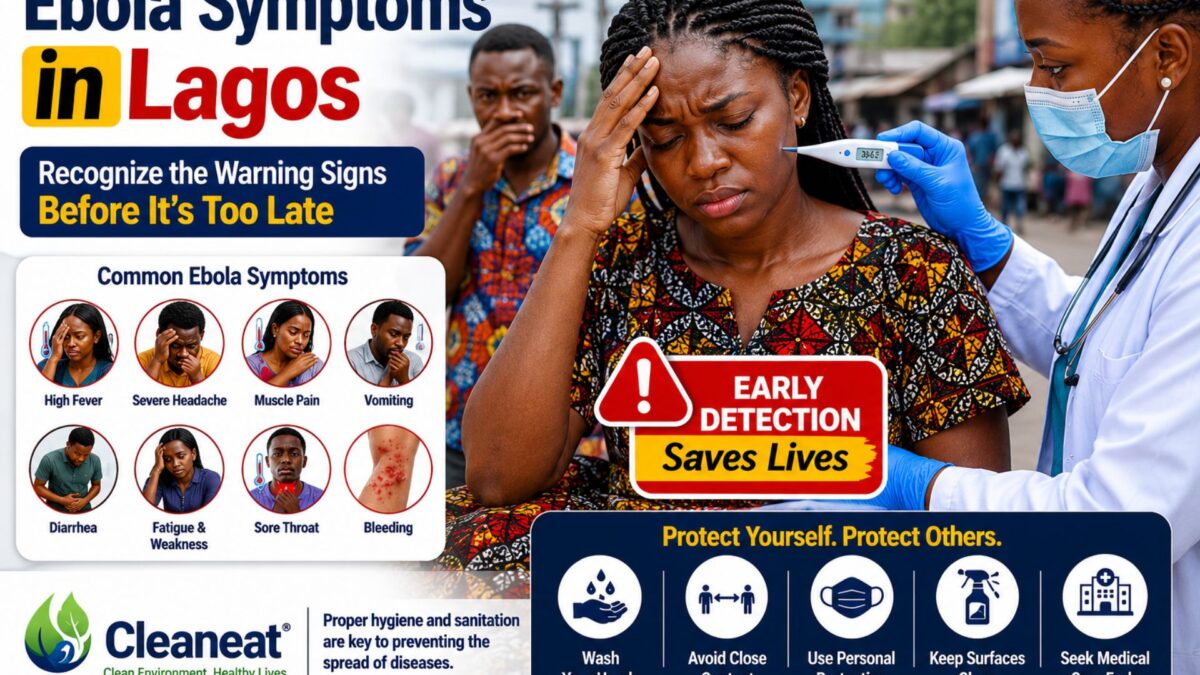
Ebola remains one of the world’s most dangerous infectious diseases due to its rapid progression and high fatality rate if left untreated. Understanding Ebola Symptoms in Lagos and recognizing the warning signs early can help save lives, reduce transmission, and ensure timely medical intervention. While Nigeria has successfully managed previous Ebola outbreaks, awareness remains essential because global travel and regional outbreaks can increase the risk of imported cases.
At Cleaneat, we believe that public health awareness, proper sanitation, and preventive hygiene practices are critical tools in protecting communities from infectious diseases. In this guide, we explain Ebola symptoms, how the disease develops, who is most at risk, and what actions individuals should take if symptoms appear.
Understanding Ebola Virus Disease
Ebola Virus Disease (EVD) is a severe illness caused by viruses belonging to the Ebola virus family. The disease affects humans and some animal species and is transmitted through direct contact with infected bodily fluids.
The virus was first identified near the Ebola River in the Democratic Republic of Congo. Since then, several outbreaks have occurred across Africa, including the well-known West African outbreak between 2014 and 2016.
Ebola spreads through contact with:
- Blood
- Saliva
- Sweat
- Vomit
- Urine
- Feces
- Breast milk
- Semen
- Contaminated surfaces and objects
Unlike airborne illnesses such as influenza, Ebola requires direct contact with infected fluids or contaminated materials for transmission.
Why Early Detection Matters
One of the biggest challenges with Ebola is that its early symptoms resemble many common illnesses, including malaria, typhoid fever, and influenza.
Because Ebola Symptoms in Lagos may initially appear mild, infected individuals can unknowingly spread the virus to family members, healthcare workers, and caregivers. Early recognition provides several benefits:
- Faster medical treatment
- Reduced transmission
- Improved survival rates
- Better outbreak control
- Faster isolation procedures
Understanding the warning signs can make a significant difference in preventing widespread infection.
Early Ebola Symptoms Everyone Should Know
The incubation period for Ebola typically ranges from 2 to 21 days after exposure. During this period, an infected person may not show symptoms. Once symptoms begin, they often appear suddenly.
Sudden High Fever
One of the earliest and most common Ebola symptoms is a sudden fever. Patients may experience:
- Elevated body temperature
- Chills
- Excessive sweating
- General discomfort
The fever is often persistent and may not respond well to standard fever medications.
Severe Fatigue and Weakness
Many patients report overwhelming fatigue during the early stages of infection. Symptoms may include:
- Extreme tiredness
- Lack of energy
- Difficulty performing routine activities
- Physical weakness
This fatigue often develops rapidly and becomes progressively worse.
Intense Headaches
Persistent headaches are another common warning sign. The pain may be:
- Severe
- Continuous
- Resistant to typical pain relievers
Combined with fever, headaches should not be ignored, especially when accompanied by other symptoms.
Muscle and Joint Pain
Patients frequently experience:
- Muscle aches
- Joint pain
- Body weakness
- Generalized discomfort
These symptoms often resemble malaria or severe flu, making diagnosis challenging during the early stages.
How Ebola Symptoms Progress
As the virus multiplies within the body, symptoms become increasingly severe. Within a few days, additional signs may develop.
Gastrointestinal Symptoms
The digestive system is commonly affected.
Patients may experience:
- Nausea
- Vomiting
- Diarrhea
- Stomach pain
- Loss of appetite
Severe vomiting and diarrhea can lead to dehydration, which further weakens the body.
Sore Throat
Many Ebola patients develop a painful sore throat that can make swallowing difficult.
This symptom often appears alongside fever and body aches.
Skin Rash
Some individuals develop a rash several days after symptoms begin.
The rash may:
- Cover large areas of the body
- Appear red or inflamed
- Cause itching or irritation
While not present in every case, it is a notable symptom during disease progression.
Advanced Ebola Symptoms in Lagos
Without immediate medical care, Ebola can become life-threatening.
As the disease advances, symptoms become more severe.
Internal and External Bleeding
One of the most recognized symptoms of advanced Ebola is bleeding.
This may include:
- Bleeding gums
- Nosebleeds
- Blood in vomit
- Blood in stool
Not every Ebola patient experiences visible bleeding, but it can occur in severe cases.
Organ Failure
The virus can damage multiple organs, including:
- Liver
- Kidneys
- Spleen
- Digestive system
As organ function declines, the patient’s condition may deteriorate rapidly.
Breathing Difficulties
Some patients develop:
- Chest pain
- Shortness of breath
- Respiratory distress
These symptoms require immediate emergency medical attention.
Confusion and Neurological Symptoms
Advanced infection may affect the nervous system, leading to:
- Confusion
- Disorientation
- Reduced alertness
- Loss of consciousness
These signs indicate severe disease progression.
Who Is Most at Risk?
Anyone exposed to infected bodily fluids can contract Ebola.
Higher-risk groups include:
- Healthcare workers
- Caregivers
- Family members of infected patients
- Laboratory personnel
- Individuals involved in burial practices
- Travelers returning from outbreak regions
Using appropriate protective equipment significantly reduces infection risk.
Conditions Often Mistaken for Ebola
Because early Ebola Symptoms in Lagos resemble many common illnesses, proper diagnosis is essential.
Conditions with similar symptoms include:
Malaria
Malaria often causes:
- Fever
- Chills
- Body pain
- Weakness
Typhoid Fever
Typhoid may present with:
- Persistent fever
- Fatigue
- Digestive symptoms
Influenza
Flu symptoms commonly include:
- Fever
- Headaches
- Muscle pain
- Weakness
Because these illnesses share similar signs, laboratory testing is necessary to confirm Ebola infection.
What to Do If You Notice Ebola Symptoms
Prompt action can save lives and reduce transmission.
Seek Immediate Medical Care
Anyone experiencing symptoms and possible exposure should contact healthcare professionals immediately.
Avoid self-diagnosis and seek professional evaluation.
Limit Contact With Others
Individuals showing symptoms should:
- Avoid crowded places
- Minimize physical contact
- Stay away from vulnerable individuals
Reducing contact lowers the risk of spreading infection.
Avoid Sharing Personal Items
Do not share:
- Towels
- Bedding
- Eating utensils
- Clothing
Contaminated items can contribute to disease transmission.
Follow Public Health Guidelines
Health authorities provide guidance during outbreaks to help protect communities.
Always follow official recommendations regarding testing, isolation, and treatment.
The Importance of Hygiene and Sanitation
Proper hygiene remains one of the most effective defenses against infectious diseases.
At Cleaneat, we encourage individuals, organizations, schools, healthcare facilities, and businesses to maintain strong sanitation practices.
Important measures include:
- Regular handwashing
- Surface disinfection
- Proper waste disposal
- Safe handling of contaminated materials
- Routine cleaning of high-touch surfaces
These practices help reduce the spread of numerous infectious diseases, including viral infections.
How Businesses Can Protect Employees
Organizations should establish workplace hygiene programs that include:
- Hand hygiene stations
- Regular cleaning schedules
- Staff awareness training
- Disinfection protocols
- Emergency response plans
A proactive approach helps create safer environments for employees and visitors.
Why Public Awareness Saves Lives
Knowledge remains one of the most powerful tools in disease prevention.
When communities understand:
- How Ebola spreads
- Ebola Symptoms
- Proper hygiene practices
- When to seek medical care
They become better equipped to protect themselves and others.
Public awareness campaigns have played a major role in controlling previous outbreaks and remain essential for future preparedness.
Conclusion
Recognizing Ebola symptoms in Lagos early can significantly improve outcomes and help prevent the spread of infection. Initial signs such as fever, fatigue, headaches, muscle pain, vomiting, and diarrhea should never be ignored, especially when there is a possibility of exposure.
As symptoms progress, the disease can become severe and life-threatening. Early medical attention, proper hygiene practices, and adherence to public health guidelines remain the best defenses against Ebola.
At Cleaneat, we remain committed to promoting healthier communities through sanitation education, infection prevention awareness, and professional hygiene solutions. By staying informed and practicing proper cleanliness, individuals and organizations can play an important role in protecting public health.