
What Is a Pool Heater and How Does It Work?
May 19, 2026
Why Hygienic Swimming Pool Changing Facilities Matter for Public Health
May 28, 2026Essential Hygiene Features Every Pool Changing Room Should Have
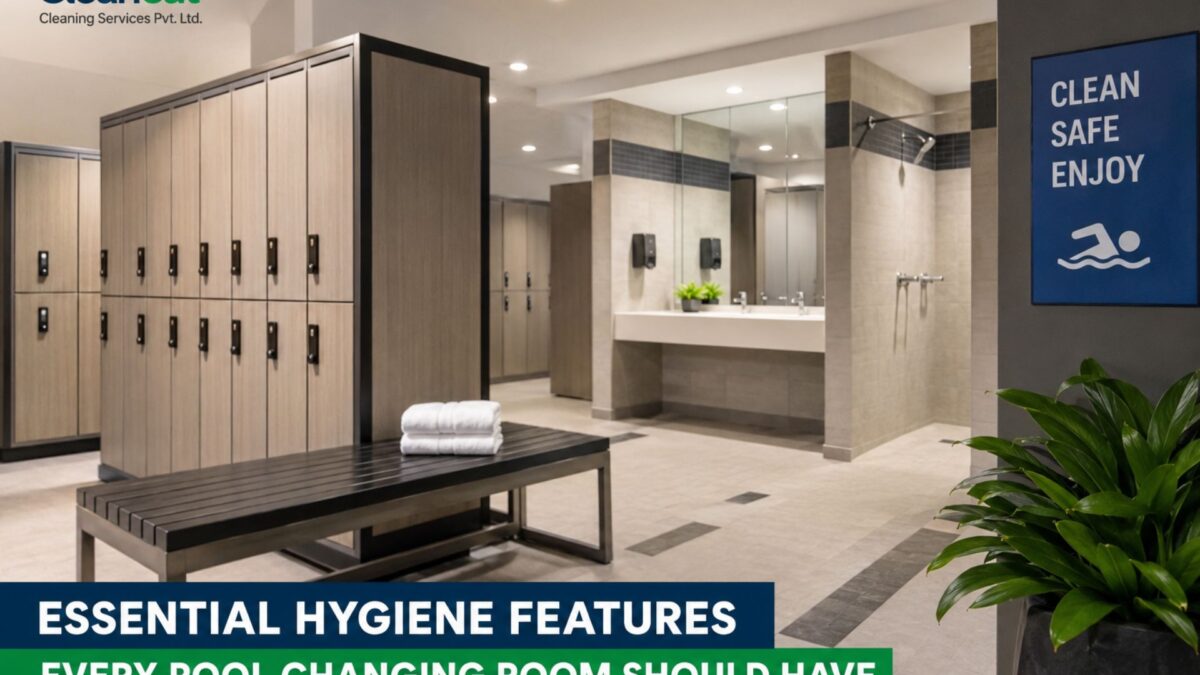
Swimming pools are designed for relaxation, exercise, and recreation, but maintaining cleanliness around pool environments is just as important as keeping the water clean. One area that is often overlooked is the changing room. A proper changing room disinfection routine is essential for preventing the spread of germs, bacteria, and unpleasant odors in swimming facilities.
At Cleaneat, we understand the importance of hygiene in public and private swimming facilities. Pool changing rooms experience heavy foot traffic daily, making them vulnerable to moisture buildup, bacteria growth, and contamination. Without proper hygiene features, changing rooms can quickly become unsafe and uncomfortable for users.
In this article, we will discuss the essential hygiene features every pool changing room should have to maintain cleanliness, safety, and user satisfaction.
Why Hygiene in Pool Changing Rooms Matters
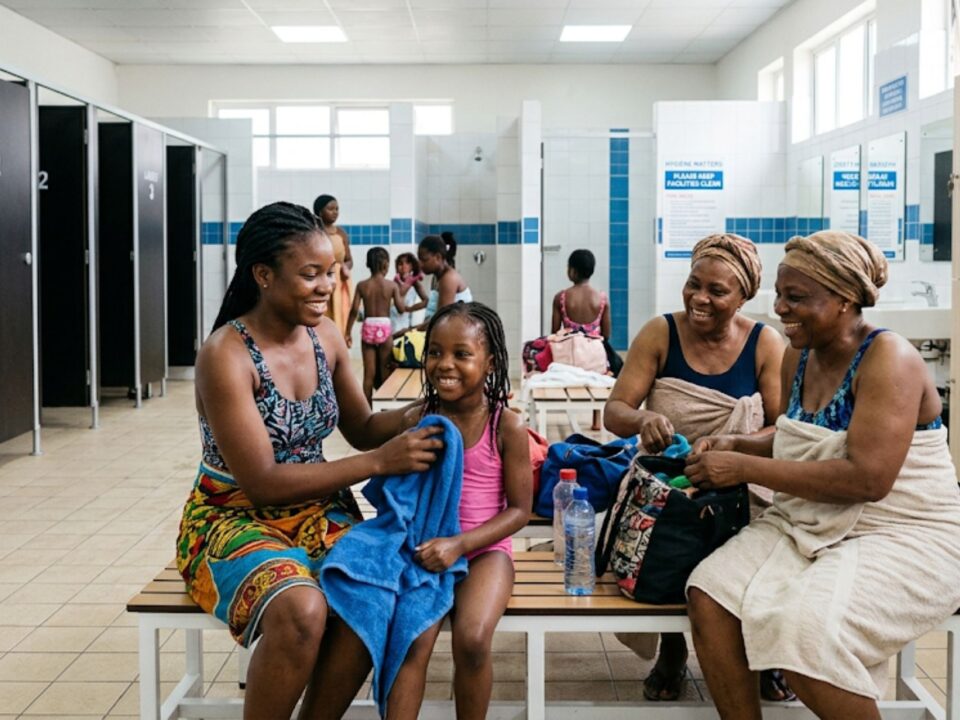
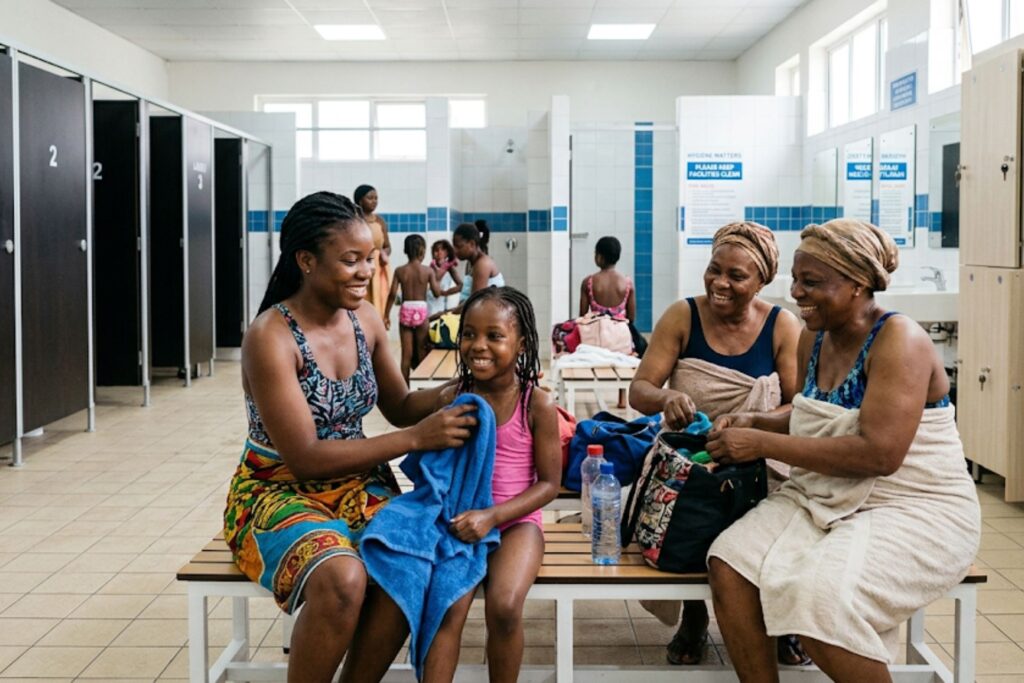
Pool changing rooms are high-contact environments where people frequently touch lockers, benches, handles, and floors with wet feet and hands. These conditions create the perfect breeding ground for germs, fungi, and bacteria.
Poor hygiene in changing rooms can lead to:
- Skin infections
- Fungal diseases
- Unpleasant odors
- Slippery surfaces and accidents
- Negative customer experiences
Maintaining a clean and hygienic changing room is not only important for health but also for building trust with swimmers and visitors.
Proper Ventilation Systems
One of the most important hygiene features in any pool changing room is proper ventilation. Pool changing rooms are naturally humid due to wet swimsuits, showers, and steam. Without good airflow, moisture accumulates quickly, encouraging mold and mildew growth.
A good ventilation system helps to:
- Reduce humidity
- Prevent mold buildup
- Eliminate unpleasant odors
- Improve air quality
- Keep surfaces dry
Facilities should install exhaust fans, air circulation systems, and dehumidifiers to maintain a healthy environment.
Non-Slip and Easy-to-Clean Flooring
Pool changing room floors are constantly exposed to water, soap, and dirt. Choosing the right flooring material is essential for hygiene and safety.
The best flooring options should be:
- Non-slip
- Water-resistant
- Easy to disinfect
- Durable
- Resistant to mold and bacteria
Textured tiles and antimicrobial flooring materials are excellent choices for swimming facilities. Regular cleaning and immediate drying of wet areas are also necessary to reduce accidents.
Touch-Free Fixtures and Equipment
Modern pool changing rooms should include touch-free technology wherever possible. Hands-free fixtures reduce the spread of bacteria by minimizing direct contact with surfaces.
Examples include:
- Automatic faucets
- Sensor soap dispensers
- Touchless hand dryers
- Motion-sensor lighting
- Automatic flushing toilets
These features significantly improve hygiene standards and make cleaning easier for facility managers.
Adequate Handwashing Stations
Hand hygiene is one of the most effective ways to prevent the spread of infections. Every pool changing room should have enough handwashing stations equipped with soap, clean water, and drying facilities.
Handwashing areas should include:
- Antibacterial soap dispensers
- Disposable paper towels or hand dryers
- Well-maintained sinks
- Easy access for all users
Facilities should also display handwashing reminders to encourage good hygiene practices among visitors.
The Role of a Changing Room Disinfection Routine
An effective changing room disinfection routine ensures that all high-contact surfaces remain clean and safe throughout the day.
This routine should include:
- Frequent cleaning of benches and lockers
- Disinfecting door handles
- Sanitizing toilet areas
- Mopping floors regularly
- Emptying waste bins promptly
Regular disinfection helps reduce the risk of contamination and creates a healthier environment for swimmers.
Hygienic Locker Systems
Lockers are one of the most frequently used features in pool changing rooms. Poorly maintained lockers can trap moisture, odors, and bacteria.
Hygienic locker systems should have:
- Ventilation openings
- Rust-resistant materials
- Easy-to-clean surfaces
- Secure locking systems
Facility managers should also include locker cleaning in their daily maintenance schedules.
Proper Shower Facilities
Showers are an important part of swimming pool hygiene. Swimmers should shower before and after entering the pool to reduce contaminants in the water.
Clean shower facilities should include:
- Adequate water supply
- Non-slip flooring
- Soap dispensers
- Good drainage systems
- Regular sanitization
Shower areas should be cleaned multiple times daily to prevent soap scum, mold, and bacteria buildup.
Waste Disposal and Sanitary Bins
A clean changing room must have proper waste disposal systems. Overflowing bins create unpleasant odors and attract bacteria.
Facilities should provide:
- Covered waste bins
- Sanitary disposal bins
- Frequent waste collection
- Clearly labeled disposal points
Regular waste removal is necessary to maintain a fresh and hygienic environment.
Antibacterial Cleaning Products
Using the right cleaning products is essential for maintaining hygiene in swimming pool changing rooms.
Cleaning products should be:
- Effective against bacteria and fungi
- Safe for wet environments
- Non-toxic
- Suitable for high-traffic areas
Professional cleaning services like Cleaneat use high-quality disinfectants to ensure maximum cleanliness and safety.
Why Cleaning Frequency Matters
A proper changing room disinfection routine is not effective unless cleaning is done consistently. High-traffic swimming facilities may require cleaning several times daily.
Cleaning schedules should depend on:
- Number of visitors
- Facility size
- Weather conditions
- Peak usage periods
Routine inspections also help identify hygiene issues before they become major problems.
Proper Drainage Systems
Poor drainage can cause standing water, which increases the risk of slips, bacteria growth, and unpleasant smells.
An effective drainage system should:
- Remove water quickly
- Prevent water accumulation
- Be easy to maintain
- Reduce odor buildup
Floor drains should also be cleaned regularly to prevent clogging.
Availability of Sanitizing Stations
Providing sanitizing stations encourages visitors to maintain hygiene standards while using the facility.
Sanitizing stations should be placed near:
- Entrances
- Lockers
- Toilet areas
- Exit points
Alcohol-based hand sanitizers help reduce the spread of germs in shared spaces.
Clear Hygiene Signage
Educational signage helps remind users about proper hygiene practices.
Signs can include reminders such as:
- Wash hands regularly
- Shower before entering the pool
- Dispose of waste properly
- Keep floors dry
Clear communication encourages swimmers to contribute to maintaining cleanliness.
Maintaining Long-Term Hygiene Standards
Importance of Staff Training
Even the best facilities can fail without properly trained cleaning staff. Employees should understand correct cleaning procedures, safety protocols, and the importance of maintaining hygiene standards.
Training should cover:
- Safe chemical handling
- Proper disinfection techniques
- Emergency cleaning procedures
- Daily inspection routines
Well-trained staff play a major role in ensuring that every changing room disinfection routine is effective.
Professional Cleaning Services for Pool Facilities
Many swimming facilities rely on professional cleaning companies to maintain hygiene standards consistently.
Professional cleaning services provide:
- Deep cleaning solutions
- Advanced disinfecting equipment
- Experienced cleaning personnel
- Customized cleaning schedules
At Cleaneat, we specialize in maintaining hygienic swimming pool environments through professional cleaning and disinfection services tailored to your facility’s needs.
Conclusion
A clean and hygienic pool changing room is essential for protecting swimmers’ health, improving customer satisfaction, and maintaining a professional facility image. Features such as proper ventilation, touch-free fixtures, effective drainage, hygienic lockers, and regular cleaning all contribute to a safer environment.
Most importantly, implementing a reliable changing room disinfection routine helps reduce germs, prevent infections, and keep the facility fresh and welcoming for everyone.
At Cleaneat, we are committed to helping swimming facilities maintain the highest hygiene standards through professional cleaning services and expert disinfection solutions.
If you want your swimming pool changing rooms to remain safe, clean, and inviting, investing in the right hygiene features is the first step toward achieving that goal.