
Best Post-Construction Cleaning Company in Lagos
May 4, 2026
Top Benefits of Using a Floor Scrubber for Commercial Cleaning Services
May 8, 2026Best Practices for Maintaining Clean and Hygienic Airport Terminals
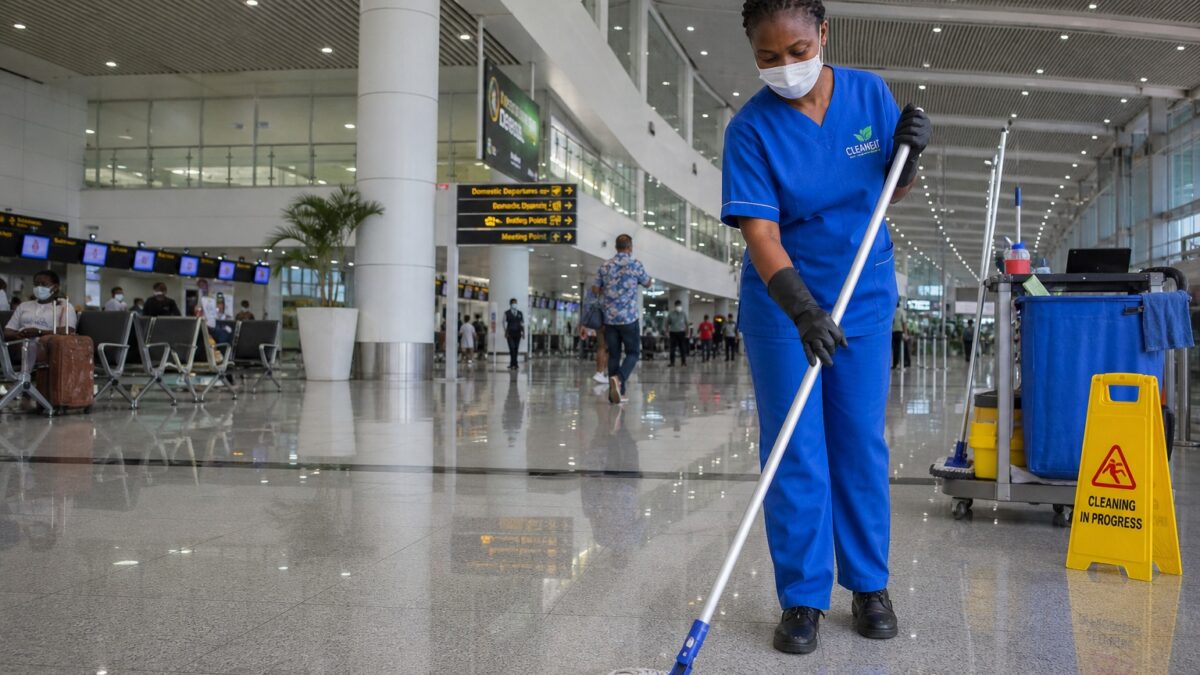
Airports are among the busiest public spaces in the world. Every day, thousands of passengers, staff, vendors, and visitors move through terminals, lounges, check-in areas, restrooms, baggage halls, and boarding gates. With such heavy traffic, maintaining cleanliness is not only about appearance—it is a critical part of safety, health, and customer experience.
A clean airport creates confidence for travelers, supports operational efficiency, and helps reduce the spread of germs in high-contact environments. On the other hand, poor hygiene standards can damage reputation, create health concerns, and reduce passenger satisfaction.
At Cleaneat, we understand the unique cleaning demands of high-traffic facilities. In this guide, we explore the best practices for keeping airport terminals clean, organized, and hygienic at all times.
Why Airport Cleanliness Matters
Airport terminals operate almost continuously. Unlike offices or homes, they receive constant foot traffic from people arriving from different locations. This increases the need for professional hygiene systems.
Clean terminals help to:
- Improve passenger confidence
- Reduce germ transmission risks
- Enhance first impressions
- Support smoother operations
- Protect staff wellbeing
- Maintain international standards
For airports, cleanliness is directly linked to brand image and public trust.
High-Risk Areas Inside Airport Terminals
Some airport areas require more frequent attention than others.
Check-In Counters
Passengers gather here, touch surfaces, place luggage, and queue closely.
Security Screening Zones
Bins, belts, trays, rails, and counters are used repeatedly.
Waiting Lounges
Seats, armrests, charging stations, and tables receive constant use.
Restrooms
These are among the highest-priority hygiene zones.
Escalators and Elevators
Buttons, handrails, and doors are frequently touched.
Food Courts
Dining areas require both sanitation and waste management.
Baggage Claim Areas
Passengers crowd around belts and touch carts, handles, and trolleys.
Challenges of Cleaning Airport Terminals
Maintaining hygiene in airports is complex because of:
- Continuous passenger movement
- Tight operational schedules
- Large floor areas
- Security restrictions
- Multiple service zones
- Need for rapid response cleaning
- High expectations from travelers
This is why airports need structured cleaning systems and trained professionals.
Core Principles of Airport Hygiene
To maintain world-class standards, airport cleaning should follow key principles:
Consistency
Cleaning must happen throughout the day, not only after hours.
Visibility
Passengers should notice active cleanliness efforts.
Speed
Spills, litter, or restroom issues must be handled quickly.
Safety
Products and methods should not disrupt travelers or create hazards.
Detail
High-touch surfaces require special attention.
Airport Hygiene Maintenance – Best Daily Cleaning Practices
Strong airport hygiene maintenance starts with effective daily routines.
Frequent Surface Disinfection
High-touch points should be cleaned regularly, including:
- Handrails
- Door handles
- Kiosk screens
- Elevator buttons
- Countertops
This helps reduce germ transfer.
Continuous Floor Care
Large terminal floors collect dust, spills, and shoe traffic quickly. Use sweepers, scrubbers, and spot-cleaning teams throughout the day.
Waste Management
Bins should be emptied before overflowing, especially in food courts and waiting areas.
Restroom Monitoring
Restrooms require scheduled inspections, cleaning, and restocking.
Glass and Window Cleaning
Smudges and fingerprints reduce the polished look of terminals. Glass areas should be maintained consistently.
Airport Hygiene Maintenance – Smart Hygiene Strategies for Passenger Comfort
The phrase airport hygiene maintenance also includes creating a pleasant experience for travelers.
Odor Control
Fresh-smelling terminals improve comfort. Restrooms and waste zones need odor management.
Seating Area Cleanliness
Passengers often spend long periods seated. Chairs and tables should be sanitized frequently.
Queue Area Upkeep
Clean barriers, rails, and floor markings improve order and appearance.
Food Court Sanitation
Dining zones should be cleaned between heavy rush periods.
Climate and Ventilation Support
Clean vents and filters improve air freshness and comfort.
Importance of Restroom Hygiene in Airports
Restrooms strongly influence passenger perception. Dirty restrooms often lead to negative reviews of the entire facility.
Best practices include:
- Hourly inspections or more frequent checks
- Immediate spill response
- Touchpoint disinfection
- Soap and tissue restocking
- Odor neutralization
- Dry floor management
A spotless restroom signals professional management.
Role of Professional Equipment
Large terminals need more than manual tools.
Useful equipment includes:
- Ride-on floor scrubbers
- Industrial vacuums
- Pressure washers
- Steam sanitizers
- High-reach dusting tools
- Touchless dispensers
Professional tools increase speed, consistency, and hygiene quality.
Managing Peak Traffic Hours
Cleaning schedules should align with airport traffic flow.
During Peak Hours:
- Focus on rapid-response teams
- Prioritize restrooms and touchpoints
- Keep queue areas tidy
During Off-Peak Hours:
- Deep clean floors
- Wash glass areas
- Detail seating and corners
This approach keeps standards high without disrupting operations.
Common Mistakes to Avoid
Cleaning Only at Night
Terminals need continuous daytime cleaning too.
Ignoring Hidden Areas
Corners, vents, and under-seat zones collect dust.
Slow Response to Spills
Small spills quickly become safety hazards.
Inconsistent Restroom Checks
Restrooms need constant monitoring.
Poor Staff Visibility
Passengers feel reassured when they see active cleaning teams.
Why Clean Airports Improve Business Performance
Airport cleanliness affects more than hygiene.
It can improve:
- Passenger satisfaction scores
- Retail spending confidence
- Airline relationships
- Staff morale
- International reputation
A clean terminal supports commercial success.
Why Choose Cleaneat?
At Cleaneat, we provide professional cleaning solutions for high-traffic environments, including airports, terminals, transport hubs, and commercial facilities.
Our Strengths:
- Trained cleaning teams
- Scalable manpower support
- Modern equipment
- Hygiene-focused systems
- Flexible schedules
- Reliable quality control
We understand how to clean active environments without disrupting operations.
Future Trends in Airport Cleaning
Airports are adopting smarter hygiene systems such as:
- Touchless restroom technology
- Real-time restroom monitoring
- Electrostatic disinfection
- Smart waste bins
- Air quality monitoring systems
Facilities that invest in modern hygiene systems stay ahead.
Conclusion
Airport terminals represent movement, connection, and first impressions. With thousands of daily users, they require advanced cleaning systems that protect health and maintain comfort.
Strong airport hygiene maintenance depends on continuous cleaning, trained teams, fast response systems, restroom excellence, and smart scheduling.
At Cleaneat, we help busy facilities maintain professional standards through dependable cleaning solutions tailored to complex environments.
A clean airport is not just attractive—it is safer, more efficient, and more welcoming for every traveler.