
Best Materials for Pool Furniture: Rattan, Plastic, Aluminum, or Wood?
May 19, 2026
What Is a Pool Heater and How Does It Work?
May 19, 2026Best Pool Furniture Materials That Resist Chlorine Damage
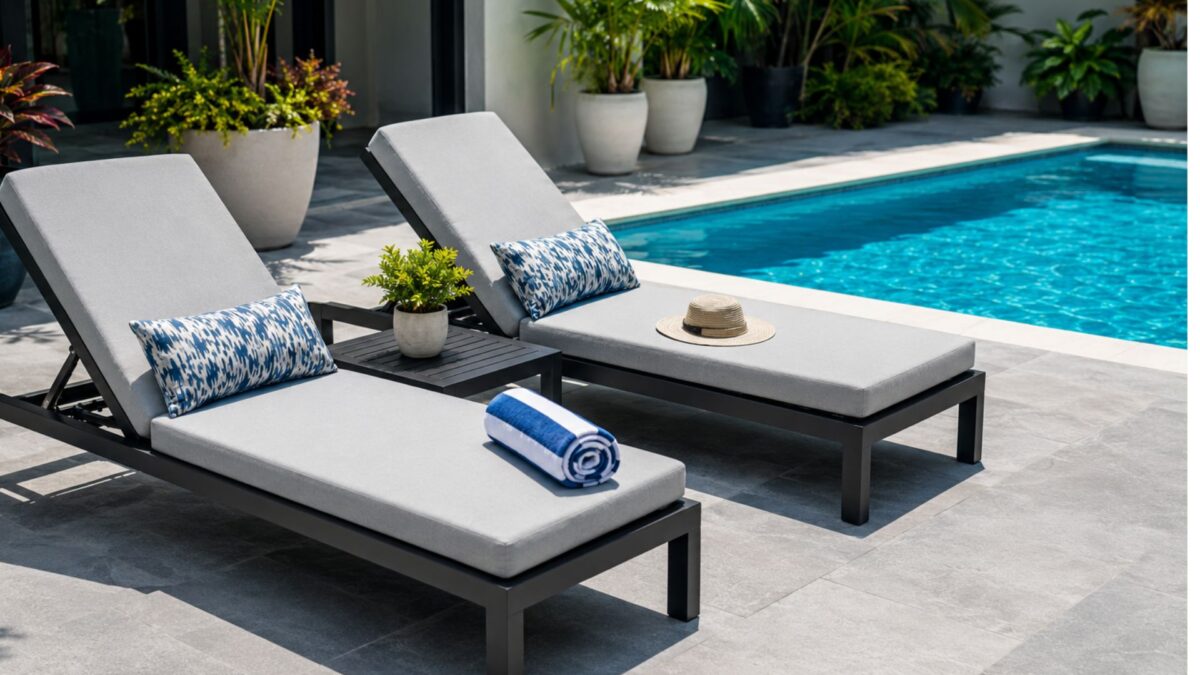
Choosing the right furniture for your pool area is very important if you want a space that stays beautiful, comfortable, and long-lasting. Pools are constantly exposed to water, chlorine, sunlight, and humidity. Over time, these elements can damage weak furniture materials, causing fading, rust, cracks, and early breakdown.
That is why selecting chlorine resistant pool furniture materials is not just a design choice—it is a smart investment for homes, hotels, and commercial pool spaces.
At Cleaneat, we help property owners maintain clean, functional, and stylish pool environments by guiding them toward the right materials and maintenance practices. In this blog, we break down the best chlorine-resistant materials for pool furniture and how to choose the right one for your space.
Why Chlorine Damages Pool Furniture
Chlorine is essential for keeping pool water clean and safe, but it is not friendly to all materials.
When furniture is exposed to chlorine over time, it can cause:
- Fading of colors
- Weakening of materials
- Rust on metals
- Cracks in plastic
- Drying and damage to wood
- Reduced furniture lifespan
Because pool furniture is often close to water, exposure is frequent and unavoidable.
What Makes a Material Chlorine Resistant?
Not every outdoor material can handle chlorine exposure. A good chlorine-resistant material should:
- Resist chemical reactions from pool water
- Maintain color and appearance over time
- Withstand constant moisture and humidity
- Stay strong without cracking or weakening
- Require minimal maintenance
These features help ensure long-term performance in pool environments.
Chlorine Resistant Pool Furniture Materials – Best Options for Long-Term Durability
When choosing chlorine resistant pool furniture materials, the goal is to find options that combine strength, style, and long life. Below are the most reliable choices used in modern outdoor and poolside furniture.
1. Aluminum Furniture
Aluminum is one of the most trusted materials for poolside furniture.
Why it works well:
- Does not rust easily
- Lightweight and easy to move
- Strong and long-lasting
- Performs well in wet environments
Why it resists chlorine:
Aluminum naturally forms a protective layer that prevents corrosion, making it ideal for chlorine-heavy environments like swimming pools.
2. Synthetic Rattan (PE Rattan)
Synthetic rattan is a popular choice for luxury pool areas.
Why it works well:
- Stylish and modern appearance
- Comfortable with cushions
- Resistant to water and UV rays
- Flexible yet durable
Why it resists chlorine:
Unlike natural rattan, synthetic PE rattan is designed for outdoor use and does not absorb moisture or chemicals easily.
3. High-Quality Plastic / Resin
Plastic furniture is common in many pool environments because of its affordability.
Why it works well:
- Fully waterproof
- Lightweight and portable
- Easy to clean
- Budget-friendly
Why it resists chlorine:
Quality resin plastic does not react with chlorine and can withstand regular poolside exposure.
4. Teak Wood (Treated Hardwood)
Teak is one of the few natural woods suitable for pool furniture.
Why it works well:
- Naturally rich in protective oils
- Strong and durable
- Elegant and premium look
- Long lifespan when maintained
Why it resists chlorine:
Teak’s natural oils help protect it from water and chemical damage, especially when properly sealed.
Chlorine Resistant Pool Furniture Materials – How to Choose the Right One
Selecting the right chlorine resistant pool furniture materials depends on your needs, budget, and design preference.
Consider Your Budget
- Plastic: most affordable
- Aluminum & rattan: mid-range to premium
- Teak: high-end luxury option
Consider Durability Needs
- High-use areas (hotels/resorts): aluminum or rattan
- Home pools: plastic, rattan, or wood
Consider Maintenance Level
- Low maintenance: aluminum and plastic
- Medium maintenance: rattan
- High maintenance: wood
Consider Style Preference
- Modern look: aluminum
- Luxury feel: rattan
- Natural look: wood
- Simple and practical: plastic
Materials to Avoid Near Pools
Some materials are not suitable for chlorine environments:
- Untreated iron (rusts quickly)
- Low-grade steel (corrodes easily)
- Cheap plastic (fades and breaks)
- Unsealed wood (absorbs moisture and cracks)
Using these materials leads to frequent replacement and higher costs.
How to Extend the Life of Pool Furniture
Even chlorine-resistant furniture needs care to last longer.
Simple maintenance tips:
- Rinse furniture regularly with clean water
- Avoid leaving chemicals on surfaces
- Use protective covers when not in use
- Clean cushions separately and dry properly
- Store lightweight pieces during heavy rain
Good maintenance helps preserve both appearance and durability.
Why Chlorine Resistance Matters
Investing in chlorine-resistant furniture is important because it:
- Reduces long-term replacement costs
- Improves poolside appearance
- Enhances guest comfort
- Increases furniture lifespan
- Maintains a clean and professional look
For hotels and resorts, it also improves customer experience and brand perception.
Why Choose Cleaneat?
At Cleaneat, we support pool owners and businesses with practical cleaning and maintenance solutions that improve outdoor environments.
Our services include:
- Pool maintenance guidance
- Cleaning solutions for outdoor spaces
- Water treatment support
- Pool care consultation
- General hygiene improvement services
We help you create and maintain clean, durable, and beautiful poolside spaces.
Conclusion
Choosing the right chlorine resistant pool furniture materials is essential for anyone who wants a long-lasting and attractive pool area. Materials like aluminum, synthetic rattan, high-quality plastic, and teak wood offer excellent resistance to chlorine while maintaining comfort and style.
With the right selection and proper care, your pool furniture can last for many years without losing its beauty or strength.
At Cleaneat, we believe that smart material choices lead to better outdoor living experiences, lower maintenance costs, and more enjoyable pool environments.