
Hot and Cold Water Dispenser: Upgrade for Every Home and Office
May 18, 2026
Ebola Symptoms Explained: How to Recognize the Warning Signs Before It’s Too Late
June 3, 2026Common Mistakes to Avoid When Using Water Purification Tablets
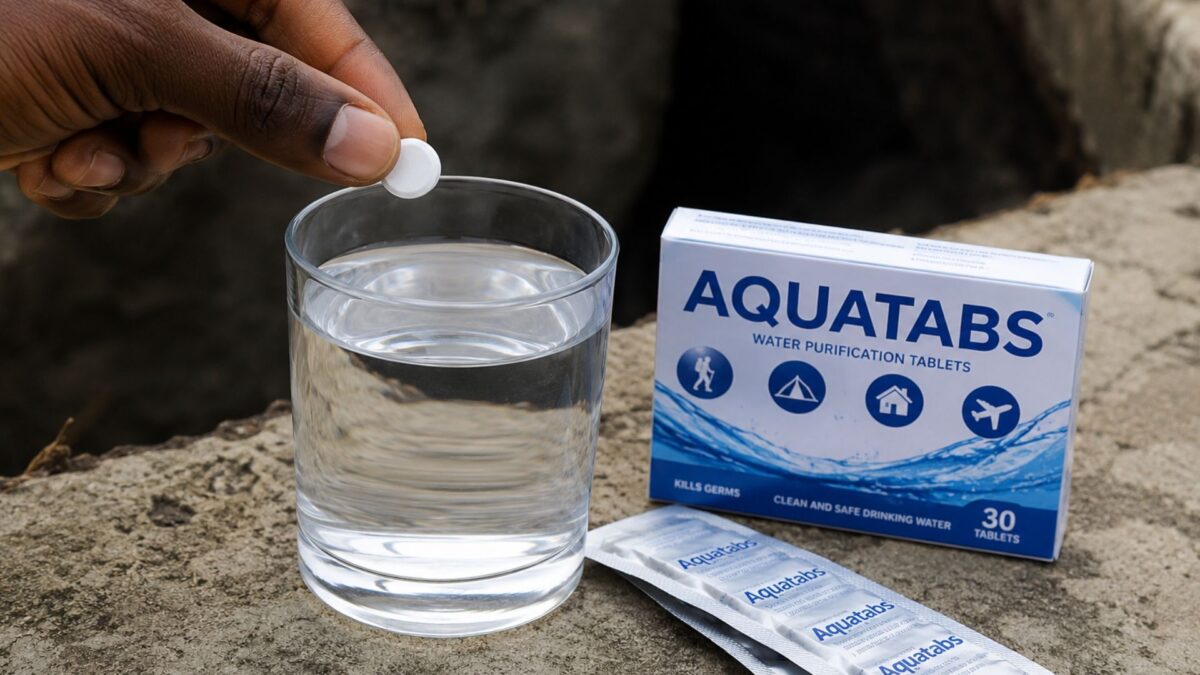
Water purification tablets are one of the easiest and most effective ways to make water safer for drinking, especially during emergencies, travel, outdoor activities, or in areas with unreliable water supply. However, many people make simple mistakes when using these tablets, which can reduce their effectiveness. Understanding the importance of correct purification tablet dosage is essential because using too little or too much can affect water safety and quality.
At Cleaneat, we are committed to promoting clean water solutions and healthy living through reliable water treatment education and products. In this guide, we explain the most common mistakes people make when using water purification tablets and how to avoid them for safer drinking water.
What Are Water Purification Tablets?
Water purification tablets are chemical tablets designed to disinfect water by killing or neutralizing harmful microorganisms such as:
- Bacteria
- Viruses
- Parasites
- Germs that cause waterborne diseases
They are commonly used for:
- Emergency water treatment
- Outdoor camping and hiking
- Travel
- Borehole or untreated water
- Disaster relief situations
Most purification tablets contain chlorine, iodine, or other disinfecting agents.
Why Proper Usage Matters
Although water purification tablets are simple to use, incorrect handling may lead to:
- Unsafe drinking water
- Poor taste and odor
- Incomplete disinfection
- Health risks
- Wasted products
Following instructions carefully ensures better protection and safer water consumption.
How Water Purification Tablets Work
The tablets dissolve in water and release disinfecting chemicals that destroy harmful microorganisms. However, the treatment process usually requires:
- Proper dosage
- Correct water volume
- Waiting time before drinking
- Proper storage of tablets
Skipping any of these steps may reduce effectiveness.
Common Mistakes People Make
Many users assume water purification tablets work instantly or can be used casually. This misunderstanding often leads to errors.
Below are the most common mistakes to avoid.
Using the Wrong Dosage
One of the biggest mistakes is not following the recommended dosage instructions.
Too Little Dosage
Using too few tablets may fail to disinfect water completely.
Too Much Dosage
Excessive tablets can create strong chemical taste and unnecessary chemical exposure.
Always follow the manufacturer’s instructions carefully.
Correct Purification Tablet Dosage – Why Accurate Measurement Matters
Understanding correct purification tablet dosage is critical for effective water treatment.
Water Volume Affects Dosage
Different amounts of water require different tablet quantities.
Overdosing Can Affect Taste
Too many tablets may leave unpleasant chemical flavor.
Underdosing Reduces Protection
Insufficient disinfectant may leave harmful germs alive.
Product Instructions Differ
Different brands may have different dosage requirements.
Always read and follow product guidelines before use.
Correct Purification Tablet Dosage – How to Avoid Common Errors
Learning proper correct purification tablet dosage practices helps improve water safety.
Measure Water Properly
Estimate water volume accurately before adding tablets.
Use Clean Containers
Dirty containers may reintroduce contamination.
Avoid Guesswork
Never estimate tablet quantity without instructions.
Follow Waiting Time
Allow the recommended time before drinking treated water.
Check Product Labels
Some tablets are designed for specific water conditions.
Not Waiting Long Enough Before Drinking
Purification tablets need time to work properly.
Many users drink treated water too early before the disinfection process is complete.
Why Waiting Time Matters
The chemicals need enough time to neutralize harmful microorganisms.
Typical Waiting Time
Most tablets require about 30 minutes, though this varies by product.
Always check manufacturer instructions.
Using Tablets in Dirty or Muddy Water
Purification tablets work best in relatively clear water.
Why Dirty Water Is a Problem
Mud, debris, and organic matter may reduce tablet effectiveness.
What to Do Instead
If water is cloudy:
- Filter it first using cloth or filter systems
- Allow sediments to settle
- Then apply purification tablets
Pre-treatment improves results.
Using Expired Tablets
Expired purification tablets may lose effectiveness over time.
Risks of Expired Tablets
- Reduced disinfection power
- Unreliable water treatment
- Potential health risks
Always check expiry dates before use.
Poor Tablet Storage
Improper storage damages purification tablets.
Common Storage Mistakes
- Leaving tablets exposed to moisture
- Storing under direct sunlight
- Keeping tablets in very hot places
Proper Storage Tips
- Keep tablets sealed
- Store in cool, dry places
- Avoid humidity exposure
Good storage helps maintain effectiveness.
Using the Wrong Type of Tablet
Different purification tablets are designed for different purposes.
Some tablets target:
- Bacteria only
- Viruses
- Emergency treatment
- Outdoor travel use
Choosing the wrong product may reduce protection.
Ignoring Water Source Quality
Not all water sources are equally safe.
High-Risk Water Sources
- Flood water
- Sewage-contaminated water
- Industrial wastewater
In some situations, tablets alone may not be enough.
Assuming Purification Tablets Improve Taste
Water purification tablets mainly disinfect water—they may not improve taste, odor, or chemical contamination.
For better overall water quality, additional filtration systems may sometimes be needed.
Benefits of Using Water Purification Tablets Correctly
When used properly, purification tablets offer several advantages.
Portable and Convenient
Easy to carry during travel or emergencies.
Fast Water Treatment
Many tablets work within minutes.
Emergency Preparedness
Useful during water supply interruptions.
Affordable Solution
More economical than some advanced purification systems.
Reduced Risk of Waterborne Diseases
Helps improve water safety.
Who Should Use Water Purification Tablets?
Water purification tablets are useful for:
- Travelers
- Campers and hikers
- Emergency preparedness kits
- Rural communities
- Households during water shortages
- Outdoor workers
They provide practical temporary water treatment solutions.
Best Practices for Safe Usage
Read Instructions Carefully
Different products have different guidelines.
Treat Only Recommended Water Volumes
Avoid underdosing or overdosing.
Use Clean Water Containers
Prevent recontamination.
Keep Tablets Away from Children
Store safely to avoid accidental ingestion.
Combine with Filtration When Necessary
Especially for dirty or cloudy water.
Common Myths About Water Purification Tablets
Myth 1: More Tablets Mean Better Protection
Too many tablets may affect taste without improving effectiveness.
Myth 2: Tablets Work Instantly
Most products require waiting time.
Myth 3: Tablets Remove All Contaminants
Some chemical pollutants may require additional treatment.
Why Clean Water Matters
Safe drinking water supports:
- Better health
- Reduced disease risk
- Improved hygiene
- Safer food preparation
- Better overall quality of life
Clean water remains essential for every household and community.
Conclusion
Water purification tablets are powerful tools for improving water safety, but only when used correctly. Small mistakes such as poor storage, wrong dosage, or insufficient waiting time can reduce their effectiveness.
Understanding correct purification tablet dosage and following proper treatment steps helps ensure safer drinking water during emergencies, travel, and daily use.
At Cleaneat, we believe that proper water treatment knowledge is just as important as the products themselves. With the right practices, water purification tablets can provide reliable and convenient protection for individuals and families.