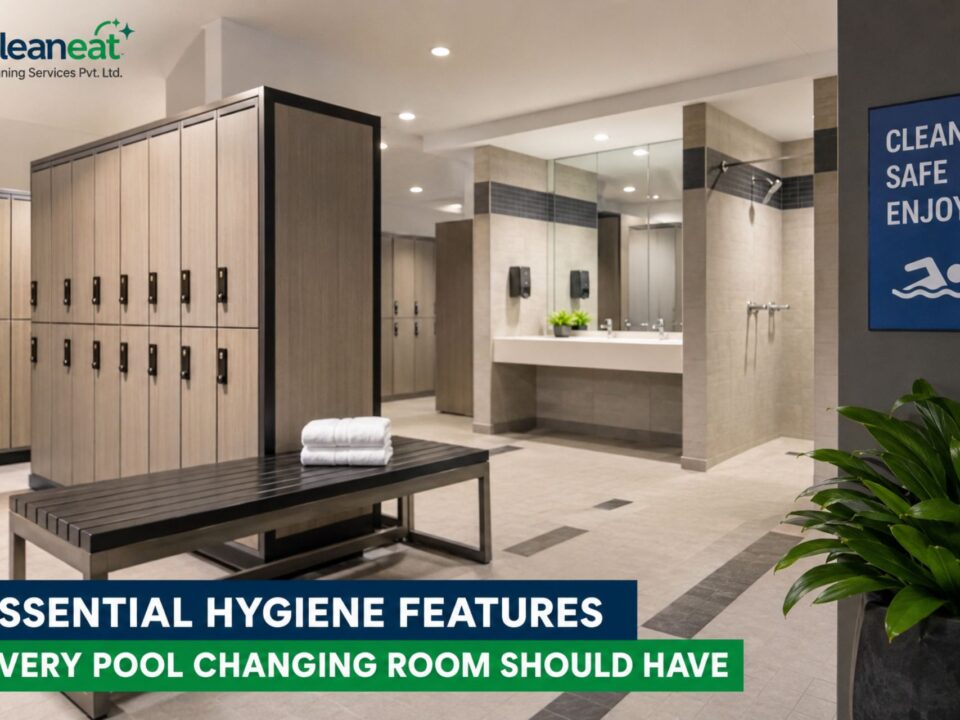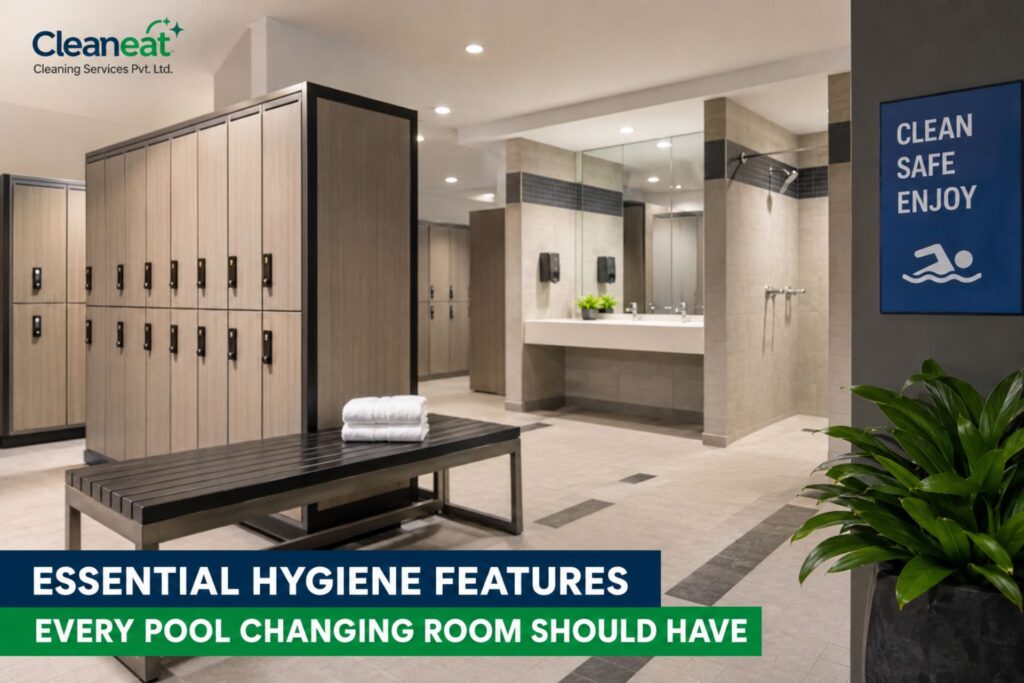

Essential Hygiene Features Every Pool Changing Room Should Have
May 28, 2026
Top Reasons Children Should Never Swim Without Adult Supervision
June 1, 2026Why Hygienic Swimming Pool Changing Facilities Matter for Public Health
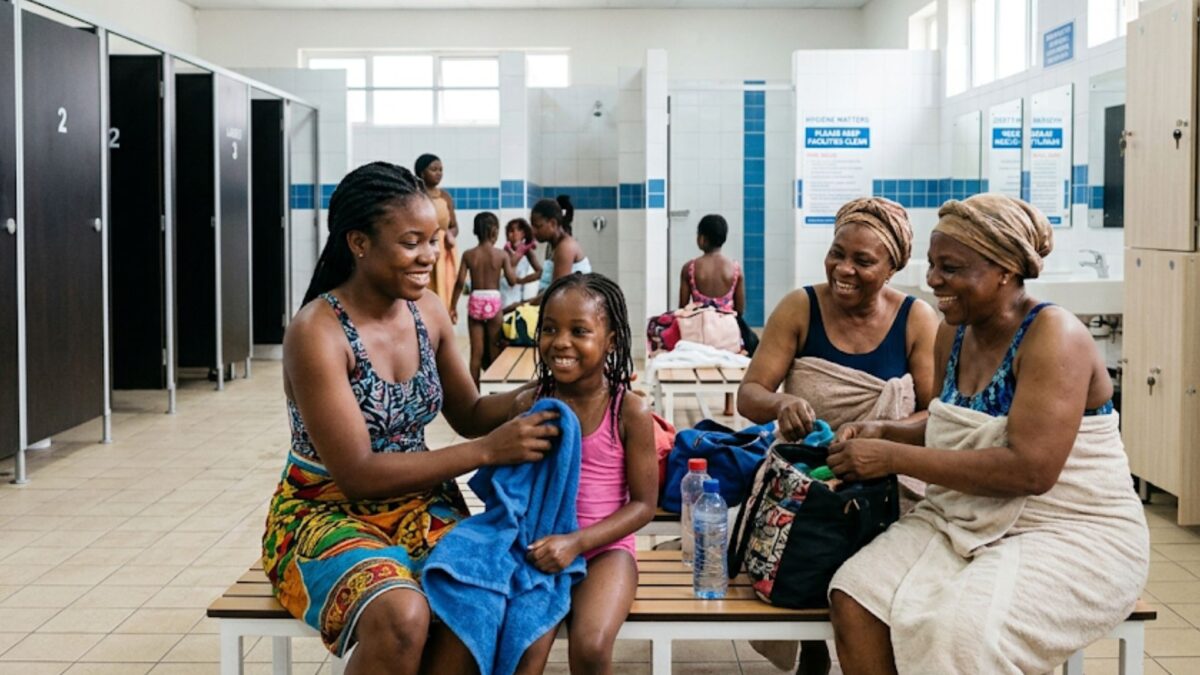
Swimming is widely regarded as one of the healthiest recreational activities, yet the environment surrounding the pool itself can significantly influence health outcomes. One area that is often overlooked is the changing facility. While attention is usually placed on water treatment systems, the hygiene of locker rooms, showers, and dressing areas plays an equally important role in protecting users. Maintaining clean swimming facility standards is therefore not just a maintenance requirement but a public health necessity.
At Cleaneat, we recognize that swimming environments are shared spaces where hygiene must be actively managed, not assumed. The changing area acts as a transition zone between the outside world and the pool, making it a key point where contamination can either be controlled or spread.
Understanding the Changing Facility as a High-Risk Zone
Unlike the pool itself, changing rooms experience a constant mix of moisture, human traffic, and surface contact. This combination makes them one of the most sensitive hygiene zones in any recreational facility.
Every swimmer interacts with multiple surfaces within minutes of entering: floors, lockers, benches, taps, and door handles. Because many users are barefoot or partially dressed, any contamination in this space has a direct pathway to skin contact.
Without strict hygiene management, these shared spaces can become a silent source of discomfort and preventable health issues.
How Hygiene Conditions Influence Public Health Outcomes
Public health concerns in swimming environments are not always immediate or visible. Instead, they often develop gradually through repeated exposure.
When changing areas are not properly maintained, users are more likely to experience skin irritation, allergic reactions, and minor infections. These issues may seem small individually, but at a community level, they reflect poor environmental control.
Moist environments also encourage the growth of microorganisms on frequently touched surfaces. Over time, this creates a cycle where contamination is repeatedly transferred between users unless properly interrupted through cleaning and disinfection.
Design and Maintenance: Two Sides of Hygiene Control
Maintaining hygiene in pool changing facilities is not only about cleaning frequency. It also depends on how the space is designed and managed.
Good design supports cleanliness by reducing water stagnation, improving airflow, and making surfaces easy to sanitize. However, even well-designed facilities can become unhygienic if maintenance practices are weak or inconsistent.
This is why facility managers must combine structural planning with disciplined cleaning routines to maintain safe conditions.
Behavioral Impact of Clean Facilities on Users
Clean environments influence how people behave. When a swimming facility is visibly well maintained, users are more likely to respect the space and follow hygiene expectations.
On the other hand, poorly maintained changing rooms often lead to careless behavior from users, such as improper waste disposal or neglect of hygiene rules. This creates a feedback loop where poor conditions lead to worse behavior, and vice versa.
A well-kept environment encourages responsibility and improves overall user discipline.
Maintaining Clean Swimming Facility Standards in Shared Spaces
Maintaining clean swimming facility standards requires more than surface-level cleaning. It involves continuous monitoring, targeted sanitation, and preventive maintenance.
Every section of the changing facility has different hygiene demands. Floors require slip-safe cleaning methods, lockers need regular disinfection, and wet zones must be managed to prevent microbial buildup.
Consistency is the most important factor. Hygiene cannot be treated as an occasional task; it must be embedded into daily facility operations.
Key Areas That Require Constant Attention
To maintain hygiene effectively, facility managers should focus on:
- Floor drainage and moisture control
- Locker interior cleanliness
- Bench and seating sanitation
- Shower head and tap hygiene
- Air circulation and odor control
- Waste handling systems
Each of these areas contributes to the overall safety and comfort of users.
The Hidden Cost of Ignoring Hygiene
When hygiene in changing facilities is neglected, the consequences extend beyond appearance. Maintenance costs tend to increase over time due to material damage caused by moisture and mold.
Odor buildup, surface staining, and structural deterioration become more difficult and expensive to correct if not addressed early.
More importantly, poor hygiene can reduce user trust and limit facility usage, directly affecting revenue and reputation.
Clean Swimming Facility Standards as a Public Health Responsibility
Maintaining clean swimming facility standards is ultimately a responsibility tied to public well-being. Swimming facilities serve diverse groups, including children, athletes, families, and elderly users. This makes hygiene control a shared safety requirement rather than an optional service feature.
When facilities prioritize cleanliness, they reduce environmental risks and support healthier recreational habits across communities. Clean changing areas also reinforce confidence in public infrastructure and encourage more people to participate in swimming activities.
Professional Cleaning and Its Role in Long-Term Hygiene
While routine cleaning by staff is important, professional cleaning services provide a deeper level of sanitation that regular maintenance often cannot achieve.
Professional cleaners use structured processes to target hidden contamination zones, apply appropriate disinfectants, and ensure compliance with hygiene benchmarks.
At Cleaneat, we focus on long-term cleanliness strategies rather than temporary surface improvements. Our approach helps swimming facilities maintain stable hygiene conditions even under heavy usage.
Staff Responsibility in Maintaining Hygiene Systems
Facility staff play a vital role in sustaining hygiene standards. Their daily actions help maintain order and prevent small issues from escalating.
This includes monitoring cleanliness throughout the day, responding quickly to spills or contamination, and ensuring that cleaning routines are followed consistently.
When staff are properly trained and engaged, hygiene systems become more effective and reliable.
Encouraging User Participation in Hygiene Maintenance
Users also contribute to the cleanliness of swimming facilities. Simple habits such as proper showering, waste disposal, and respectful use of shared spaces significantly improve overall hygiene conditions.
Clear communication within the facility helps reinforce these behaviors and reduces unnecessary contamination.
Conclusion
Swimming pool changing facilities are a critical but often underestimated part of public health management. Their condition directly affects user safety, comfort, and trust in recreational spaces.
By maintaining clean swimming facility standards, operators can reduce health risks, improve user experience, and protect long-term facility value.
At Cleaneat, we support swimming facilities with structured cleaning systems designed to sustain hygiene where it matters most—at the point where people transition into shared water environments.