
Why Hygienic Swimming Pool Changing Facilities Matter for Public Health
May 28, 2026Top Reasons Children Should Never Swim Without Adult Supervision
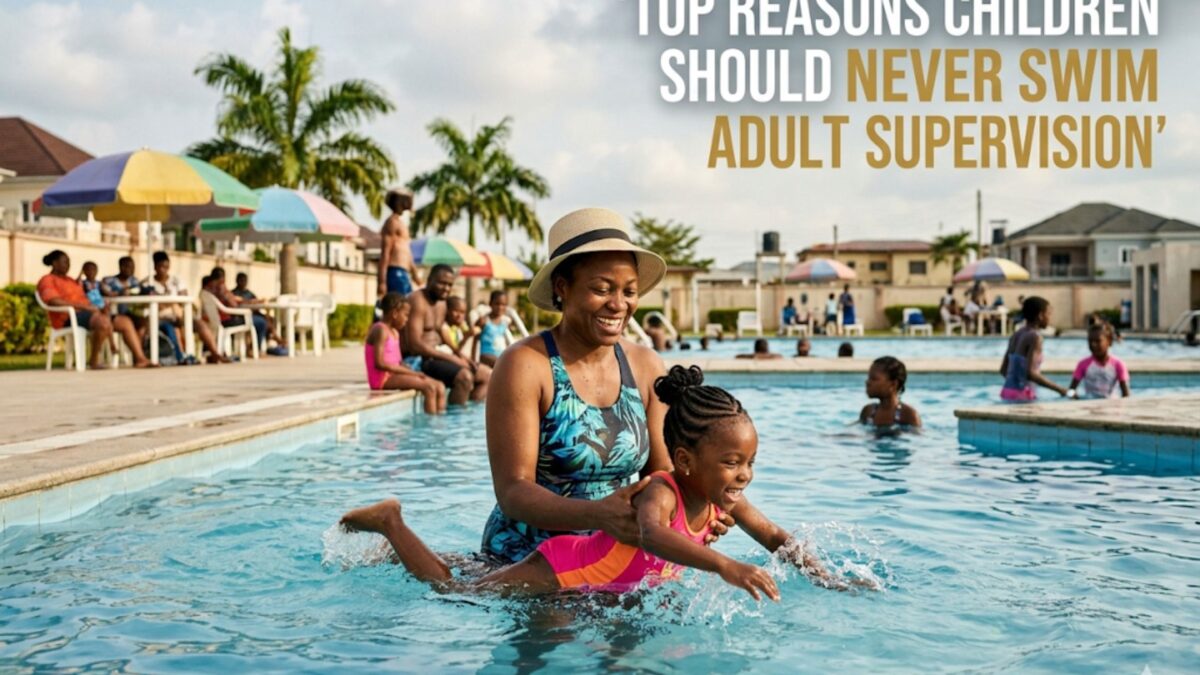
Swimming offers children an exciting way to stay active, build confidence, and enjoy recreation. However, water environments also come with serious risks when proper precautions are ignored. One of the most important safety measures parents and facility operators must prioritize is active adult supervision. Effective supervised swimming safety practices help reduce accidents, improve emergency response, and create safer swimming experiences for children.
At Cleaneat, we believe pool safety extends beyond water treatment and facility maintenance. A truly safe swimming environment depends on awareness, responsible behavior, and proper supervision, especially where children are involved.
Children Can Get Into Danger Faster Than Most People Realize
Many swimming accidents happen quietly and within seconds. Unlike what is often shown in movies, a child struggling in water may not shout, wave, or attract immediate attention. This is why continuous supervision is necessary whenever children are near water.
Even children who know how to swim can lose balance, become tired, panic unexpectedly, or enter deeper sections accidentally. Without an attentive adult nearby, these situations can quickly become dangerous.
Young children are naturally curious and may underestimate risks around pools. Their confidence in water can sometimes exceed their actual swimming ability, making close monitoring extremely important.
Swimming Skills Alone Do Not Guarantee Safety
Parents sometimes assume swimming lessons completely eliminate danger. While swimming education is valuable, it should never replace supervision.
Children can still experience:
- Muscle cramps
- Fatigue during swimming
- Slipping accidents near pool edges
- Fear reactions in deeper water
- Unexpected breathing difficulties
Water conditions can also change suddenly in crowded pools or recreational facilities. Adult supervision provides an extra layer of protection when children face situations they cannot handle independently.
Why Pool Environments Require Constant Attention
Swimming pools are highly active spaces with multiple distractions. Music, games, conversations, and crowded surroundings can easily reduce awareness levels among adults.
Unfortunately, many accidents occur during brief moments when caregivers assume another adult is watching the child.
Effective supervision means maintaining visual contact at all times rather than relying on occasional checks. Even a few seconds of distraction can create unnecessary risk in a pool environment.
Supervised Swimming Safety Practices Reduce Emergency Risks
Consistent supervised swimming safety practices significantly lower the likelihood of serious pool-related incidents. Immediate adult presence allows faster reactions during emergencies and prevents small situations from escalating.
When adults supervise actively, they can quickly notice:
- Signs of fatigue
- Unsafe play near water
- Panic reactions
- Risky diving behavior
- Running around slippery surfaces
- Children entering restricted areas
Early intervention is one of the strongest tools for preventing accidents before they become emergencies.
Children Often Overestimate Their Swimming Ability
As children become more comfortable in water, they may begin taking unnecessary risks. Some attempt deeper sections before they are ready, while others imitate older swimmers without understanding the danger involved.
Adult supervision helps establish boundaries and ensures children stay within safe swimming limits.
Responsible supervision also teaches children discipline around water. Over time, this encourages safer habits that continue into adulthood.
The Importance of Designated Pool Supervision
In family or group settings, supervision responsibilities can become unclear. One adult may assume another person is watching the children, leading to dangerous gaps in attention.
To avoid confusion, families and facilities should always assign a specific person responsible for monitoring children near water.
Dedicated supervision works best when the supervising adult:
- Avoids phone distractions
- Stays close to the pool area
- Maintains direct visibility
- Understands basic emergency response procedures
- Focuses entirely on child safety
This structured approach improves awareness and response speed significantly.
Poolside Distractions Increase Accident Risks
Many parents underestimate how easily distractions can interfere with supervision. Phone calls, conversations, social media, and multitasking often divide attention without adults realizing it.
Children move quickly in pool environments, making constant awareness essential.
Even during social gatherings or pool parties, supervision should remain a priority rather than an occasional responsibility.
Supervised Swimming Safety Practices Build Safer Habits
One overlooked benefit of supervised swimming safety practices is the role they play in shaping children’s long-term behavior around water.
Children learn by observation. When adults consistently enforce pool rules and model safe behavior, children are more likely to adopt responsible swimming habits themselves.
This includes:
- Walking instead of running near pools
- Respecting depth restrictions
- Avoiding rough play in water
- Following lifeguard instructions
- Asking permission before entering pools
Over time, these habits contribute to a stronger culture of water safety.
Public Pools Require Even Greater Vigilance
Public swimming facilities often contain additional risks because of higher activity levels and larger crowds. Children may become separated from caregivers more easily in busy environments.
Noise and movement can also make it harder to recognize when a child is in distress.
For this reason, parents should never rely entirely on lifeguards to supervise their children. Lifeguards monitor the entire facility, while parents or guardians remain responsible for direct child supervision.
At Cleaneat, we encourage facilities to combine professional pool management with strong public safety awareness to create safer recreational environments.
Why Emergency Preparedness Matters
Even with strong supervision, emergencies can still occur. Adults supervising children should understand basic water safety and emergency procedures.
Knowing how to respond quickly during an incident can make a major difference before professional help arrives.
Important preparation steps include:
- Learning CPR basics
- Identifying emergency exits
- Understanding pool depth markings
- Knowing where rescue equipment is located
- Teaching children how to call for help
Prepared adults respond more effectively during stressful situations.
Safe Pool Rules Every Child Should Learn
Adult supervision becomes more effective when children also understand clear pool safety expectations.
Important rules include:
- Never swim alone
- Stay away from drains and deep ends without permission
- Avoid pushing others into water
- Enter pools carefully
- Inform adults when leaving the pool area
- Listen to lifeguards and instructors
Consistent reinforcement of these rules helps children develop stronger awareness around water.
The Role of Pool Operators in Child Safety
Swimming facilities also share responsibility for creating safer environments for children. Facility operators should maintain clear safety policies and support proper supervision practices.
This includes:
- Installing visible warning signs
- Providing trained lifeguards
- Maintaining proper lighting
- Keeping pool decks slip-resistant
- Ensuring emergency equipment is functional
- Monitoring crowd control during busy periods
At Cleaneat, we understand that clean and organized facilities contribute to overall safety by reducing environmental hazards around swimming areas.
Building a Culture of Water Responsibility
Pool safety should not be viewed as a one-time discussion. It requires continuous education, awareness, and responsible behavior from both adults and children.
Communities that prioritize supervision create safer recreational experiences for everyone. Parents, schools, swimming instructors, and facility managers all play important roles in promoting child safety around water.
By encouraging responsible supervision habits early, families can help children enjoy swimming with greater confidence and protection.
Conclusion
Children should never swim without adult supervision because water-related risks can develop quickly and silently. Even experienced young swimmers require guidance, monitoring, and immediate support when unexpected situations arise.
Practicing supervised swimming safety practices helps reduce accidents, improve emergency response, and teach children responsible behavior around water.
At Cleaneat, we believe safer swimming environments depend not only on clean facilities but also on strong safety awareness. Through active supervision and responsible pool management, families and facilities can create safer experiences for every child.