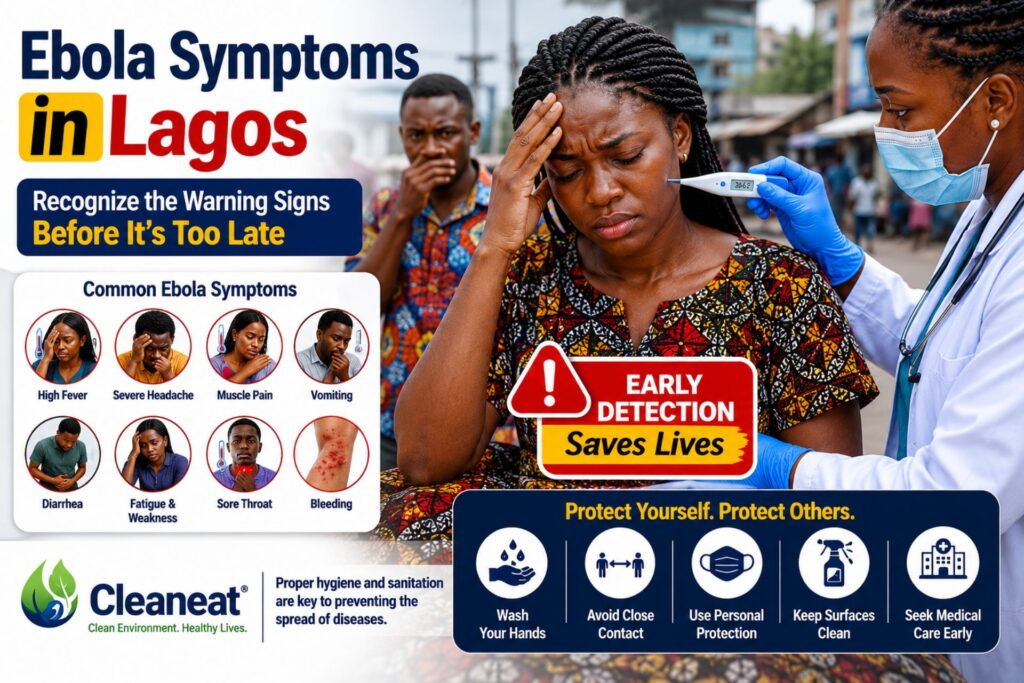

Ebola Symptoms Explained: How to Recognize the Warning Signs Before It’s Too Late
June 3, 2026
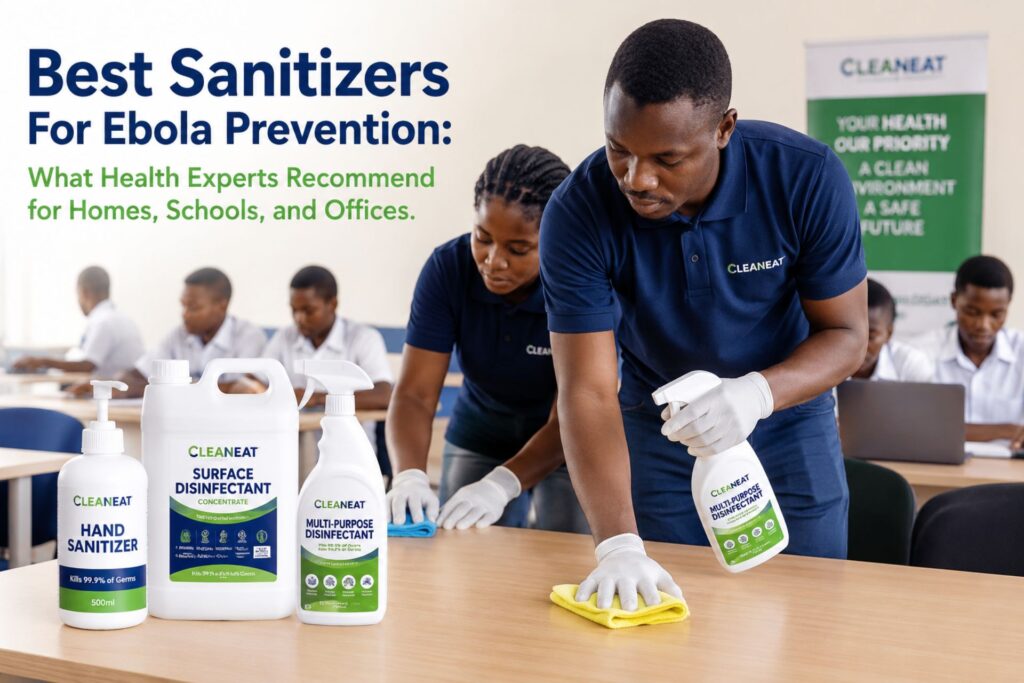
Best Sanitizers for Ebola Prevention: What Health Experts Recommend for Homes, Schools, and Offices
June 4, 2026Proper Sanitization Tips That Help Reduce the Spread of Ebola
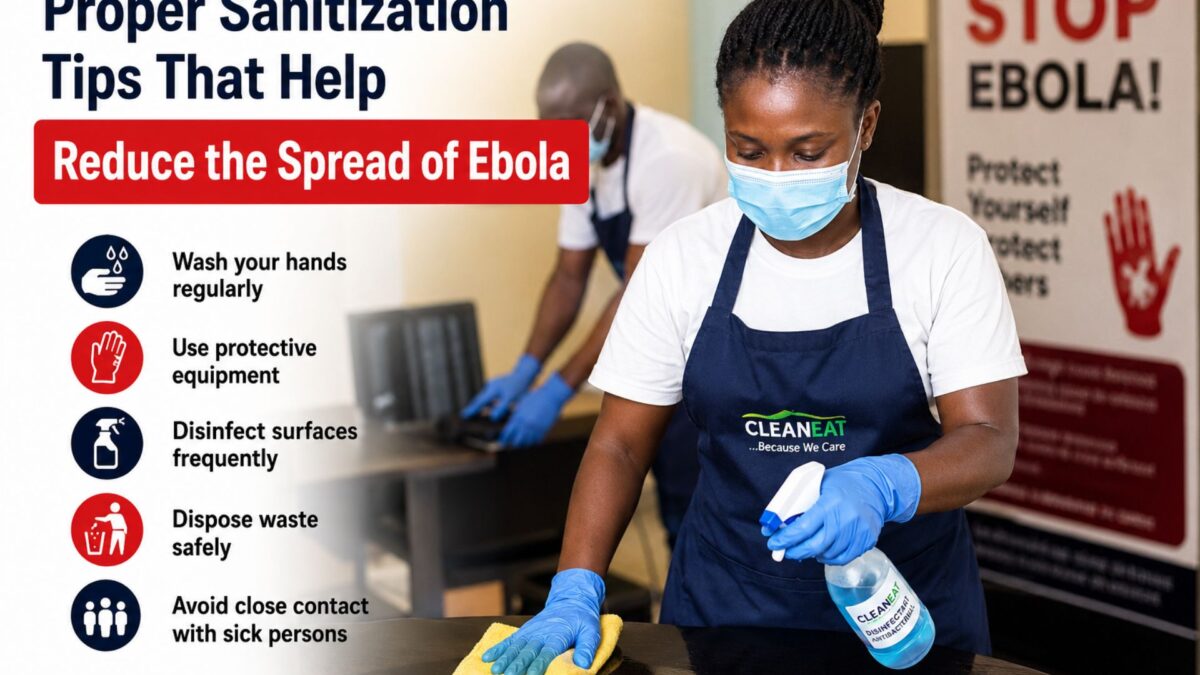
Ebola remains one of the most serious infectious diseases in the world, making prevention and hygiene critical for protecting families, workplaces, healthcare facilities, and communities. One of the most effective ways to limit the transmission of Ebola is through proper cleaning and disinfection practices. Understanding and applying Ebola sanitization solutions tips can significantly reduce the risk of contamination and help create safer environments.
At Cleaneat, we believe that effective sanitization is one of the strongest defenses against the spread of infectious diseases. In this guide, we explain the importance of proper sanitization and practical steps that can help reduce the spread of Ebola.
Understanding Ebola Transmission
Ebola is a viral disease that spreads through direct contact with infected bodily fluids such as:
- Blood
- Sweat
- Saliva
- Urine
- Vomit
- Feces
- Semen
The virus can also spread through contact with contaminated surfaces and objects that have been exposed to infected fluids.
Because of this, maintaining a clean and sanitized environment is essential for prevention.
Why Sanitization Matters
Sanitization helps eliminate or reduce harmful microorganisms on surfaces and frequently touched objects.
Benefits of proper sanitization include:
- Reduced risk of infection
- Safer homes and workplaces
- Better public health protection
- Lower contamination risks
- Improved confidence in shared spaces
When combined with good hygiene practices, sanitization becomes a powerful disease-control measure.
Common High-Touch Areas That Require Regular Sanitization
Many surfaces can become contaminated through frequent contact.
Examples include:
- Door handles
- Light switches
- Handrails
- Tables and desks
- Mobile phones
- Computer keyboards
- Toilet handles
- Faucets
- Elevator buttons
These areas should receive regular cleaning and disinfection.
The Difference Between Cleaning and Sanitizing
Many people use these terms interchangeably, but they are different.
Cleaning
Cleaning removes dirt, dust, and debris from surfaces.
Sanitizing
Sanitizing reduces germs to safer levels.
Disinfecting
Disinfecting uses chemicals to kill disease-causing microorganisms.
For Ebola prevention, both cleaning and disinfecting are important.
Proper Hand Hygiene Practices
Hand hygiene remains one of the most effective preventive measures.
Wash Hands Frequently
Use soap and clean running water.
Wash for At Least 20 Seconds
Ensure all parts of the hands are cleaned thoroughly.
Use Alcohol-Based Sanitizers
When soap and water are unavailable, use hand sanitizers containing at least 60% alcohol.
Avoid Touching Your Face
Reduce unnecessary contact with eyes, nose, and mouth.
Ebola Sanitization Solutions Tips for Homes and Workplaces
Applying Ebola sanitization solutions tips can help create safer environments and reduce the likelihood of contamination.
Disinfect Frequently Touched Surfaces
Daily cleaning and disinfection help reduce risk.
Use Approved Disinfectants
Choose disinfectants designed to eliminate viruses and harmful pathogens.
Wear Protective Equipment
Gloves and protective clothing help reduce exposure during cleaning.
Dispose of Waste Properly
Contaminated waste should be handled carefully and disposed of according to safety guidelines.
Improve Ventilation
Good airflow helps improve indoor environmental quality.
Safe Cleaning Procedures
When cleaning potentially contaminated areas:
- Wear disposable gloves.
- Use appropriate disinfectants.
- Avoid direct contact with bodily fluids.
- Clean surfaces before applying disinfectants.
- Dispose of cleaning materials safely.
Following proper procedures helps improve safety.
Ebola Sanitization Solutions Tips for Public Facilities
Public spaces often experience high foot traffic and require extra attention.
Schools
Regular sanitization of classrooms, desks, and restrooms is important.
Offices
Shared workstations and meeting rooms should be cleaned frequently.
Healthcare Facilities
Strict disinfection protocols are essential.
Hotels and Hospitality Facilities
Guest rooms and common areas require routine sanitization.
Transportation Hubs
Airports, bus terminals, and train stations should maintain rigorous hygiene standards.
Importance of Personal Protective Equipment (PPE)
Protective equipment helps reduce exposure risks during cleaning.
Examples include:
- Gloves
- Face masks
- Protective gowns
- Eye protection
PPE should be used correctly and disposed of safely after use.
Safe Handling of Laundry
Clothing and linens exposed to bodily fluids require special attention.
Recommendations include:
- Wearing gloves when handling laundry
- Washing with detergent and hot water
- Avoiding shaking contaminated fabrics
- Drying items completely
Proper laundering reduces contamination risks.
Best Practices for Waste Disposal
Waste generated during cleaning should be handled carefully.
Use Appropriate Waste Bags
Contain potentially contaminated materials securely.
Seal Waste Properly
Prevent accidental exposure.
Follow Local Guidelines
Dispose of waste according to public health recommendations.
Educating Families and Staff
Awareness is a key component of disease prevention.
Training should cover:
- Proper handwashing
- Safe cleaning practices
- Surface disinfection
- Waste handling
- Personal hygiene
Informed individuals are better equipped to protect themselves and others.
Common Sanitization Mistakes to Avoid
Using the Wrong Cleaning Products
Not all cleaners effectively disinfect viruses.
Skipping High-Touch Areas
Frequently touched surfaces require special attention.
Insufficient Contact Time
Disinfectants often need time to work effectively.
Reusing Contaminated Materials
Cleaning cloths and equipment should be sanitized or replaced regularly.
Neglecting Hand Hygiene
Even after cleaning, handwashing remains essential.
The Role of Professional Sanitization Services
Professional sanitization services can help ensure thorough cleaning and disinfection, especially in high-risk environments.
Benefits include:
- Trained personnel
- Proper equipment
- Effective disinfectants
- Comprehensive coverage
- Improved hygiene standards
Professional services provide additional reassurance for businesses and institutions.
Why Choose Cleaneat?
At Cleaneat, we are committed to promoting healthier environments through professional cleaning and sanitization solutions.
Our services include:
- Residential sanitization
- Commercial cleaning
- Disinfection services
- Facility hygiene management
- Infection prevention support
We help organizations and families maintain cleaner, safer spaces.
Conclusion
Proper sanitization plays a critical role in reducing the spread of Ebola and other infectious diseases. By following recommended cleaning practices, maintaining good personal hygiene, and applying effective disinfection procedures, individuals and organizations can significantly reduce contamination risks.
Implementing Ebola sanitization solutions tips helps protect families, employees, customers, and communities while supporting healthier environments for everyone.
At Cleaneat, we encourage proactive hygiene and sanitization practices as part of a comprehensive approach to disease prevention and public health protection.